
How to Use Fall Vegetables You Might Be Avoiding
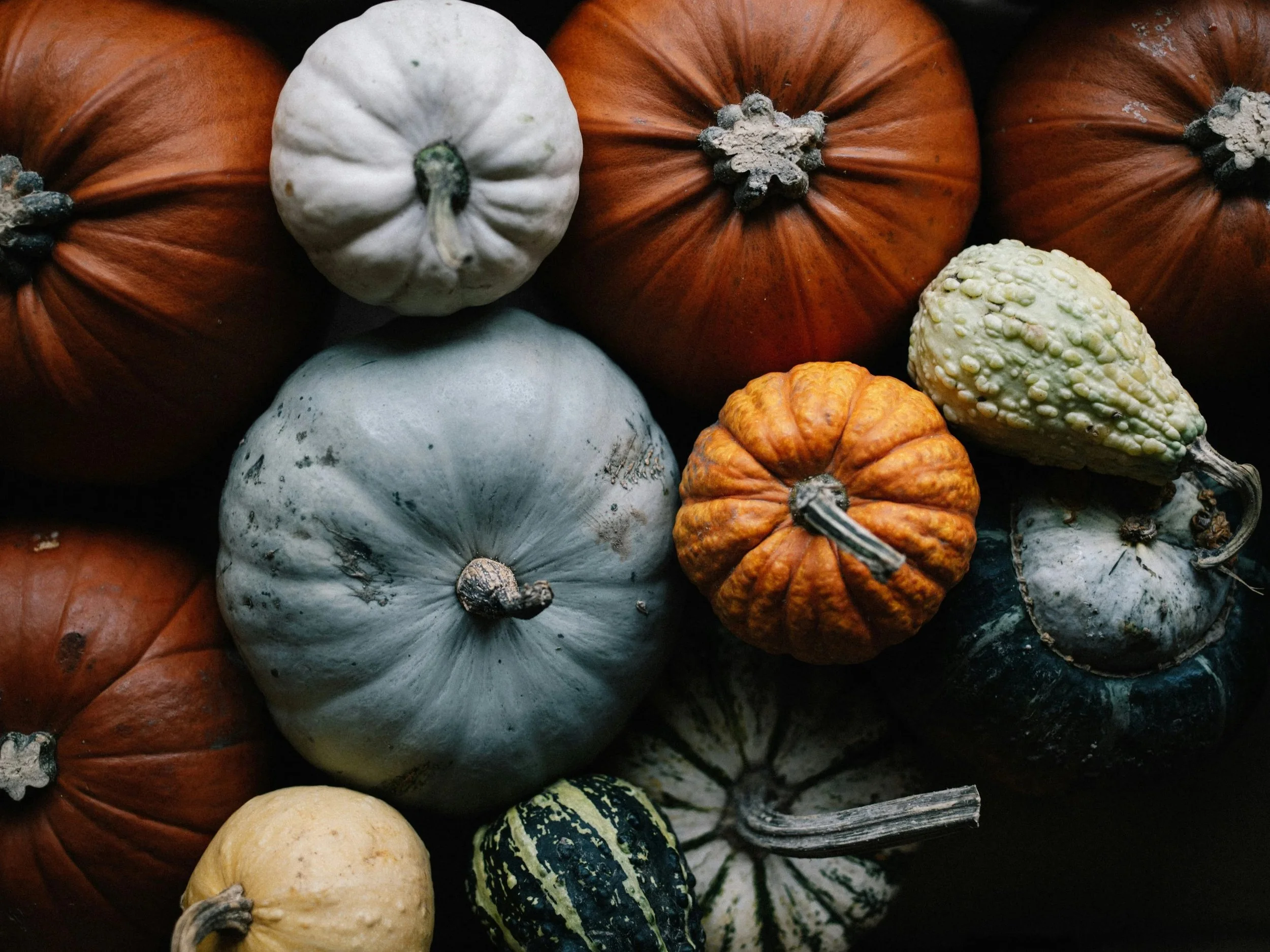
Some fall vegetables sit proudly at the front of every farm stand — tomatoes, apples, squash. And then there are the others. The ones people walk past with a polite nod. The ones that feel “too earthy,” “too dense,” or “too confusing.”
This guide is for those vegetables — the under‑appreciated, the misunderstood, the ones you think you don’t like until you finally cook them right.
1. Kabocha Squash: The Coziest Squash You’re Not Using
Kabocha looks intimidating — dark green, knobby, dense — but it’s one of the richest, velvety fall vegetables you can buy. It tastes like a cross between a sweet potato and a pumpkin, but creamier.
How to use it:
Roast wedges with olive oil + salt until caramelized
Add cubes to curry for silky texture
Mash with butter + miso for a savory side
Blend into soup for a naturally thick, creamy base
Why people avoid it: Thick skin, unfamiliar name, looks like a project.
Why you shouldn’t: It’s one of the easiest squash to cook once you cut it open.
2. Parsnips: Sweet, Nutty, and Perfect for Roasting
Parsnips look like pale, oversized carrots — and that’s exactly why people skip them. But once cold nights hit, parsnips turn sweet and almost floral.
How to use them:
Roast with carrots + thyme
Mash with potatoes for a deeper flavor
Add to chicken soup for sweetness
Shave raw into salads
Why people avoid them: They look bland.
Why you shouldn’t: They caramelize beautifully and make soups taste richer.
3. Turnips: Peppery, Bright, and Surprisingly Versatile
Turnips get a bad reputation for being “bitter,” but fall turnips — especially smaller ones — are mild, crisp, and perfect for quick cooking.
How to use them:
Roast with honey + chili flakes
Slice thin and sauté with butter
Add to stews for a peppery note
Eat raw with hummus (yes, really)
Why people avoid them: Childhood memories of boiled turnips.
Why you shouldn’t: Roasting transforms them completely.
4. Rutabaga: The Underrated Mash King
Rutabaga is sweeter than turnips and starchier, making it perfect for mashes, soups, and roasted sides.
How to use it:
Mash with butter + cream
Add cubes to beef stew
Roast with rosemary
Spiralize for veggie noodles
Why people avoid it: They don’t know what it is.
Why you shouldn’t: It’s inexpensive, filling, and delicious.
5. Celery Root (Celeriac): Ugly but Incredible
Celery root looks like a troll from a fairy tale — knobby, hairy, and weird. But inside? Pure gold. It tastes like celery + potato + butter.
How to use it:
Purée with potatoes for the best mash of your life
Shred into slaw
Add cubes to soup
Roast with garlic
Why people avoid it: It’s visually chaotic.
Why you shouldn’t: It’s one of the most flavorful fall roots.
6. Sweet Dumpling & Carnival Squash: Small, Sweet, and Foolproof
These small squash varieties are perfect for beginners — no peeling, fast roasting, naturally sweet.
How to use them:
Roast halves with maple + butter
Stuff with grains + herbs
Cube for salads
Blend into soup
Why people avoid them: They look decorative.
Why you shouldn’t: They’re some of the easiest squash to cook.
How to Get Comfortable with “Intimidating” Veg
Start with roasting — it’s the easiest way to make any fall vegetable taste good.
Pair earthy flavors with acid (lemon, vinegar) and sweetness (honey, maple).
Don’t peel unless you have to — many skins soften beautifully.
Mix one “new” vegetable with one familiar one in soups or roasts.