

Apple Cider vs. Apple Juice: What's Actually the Difference?
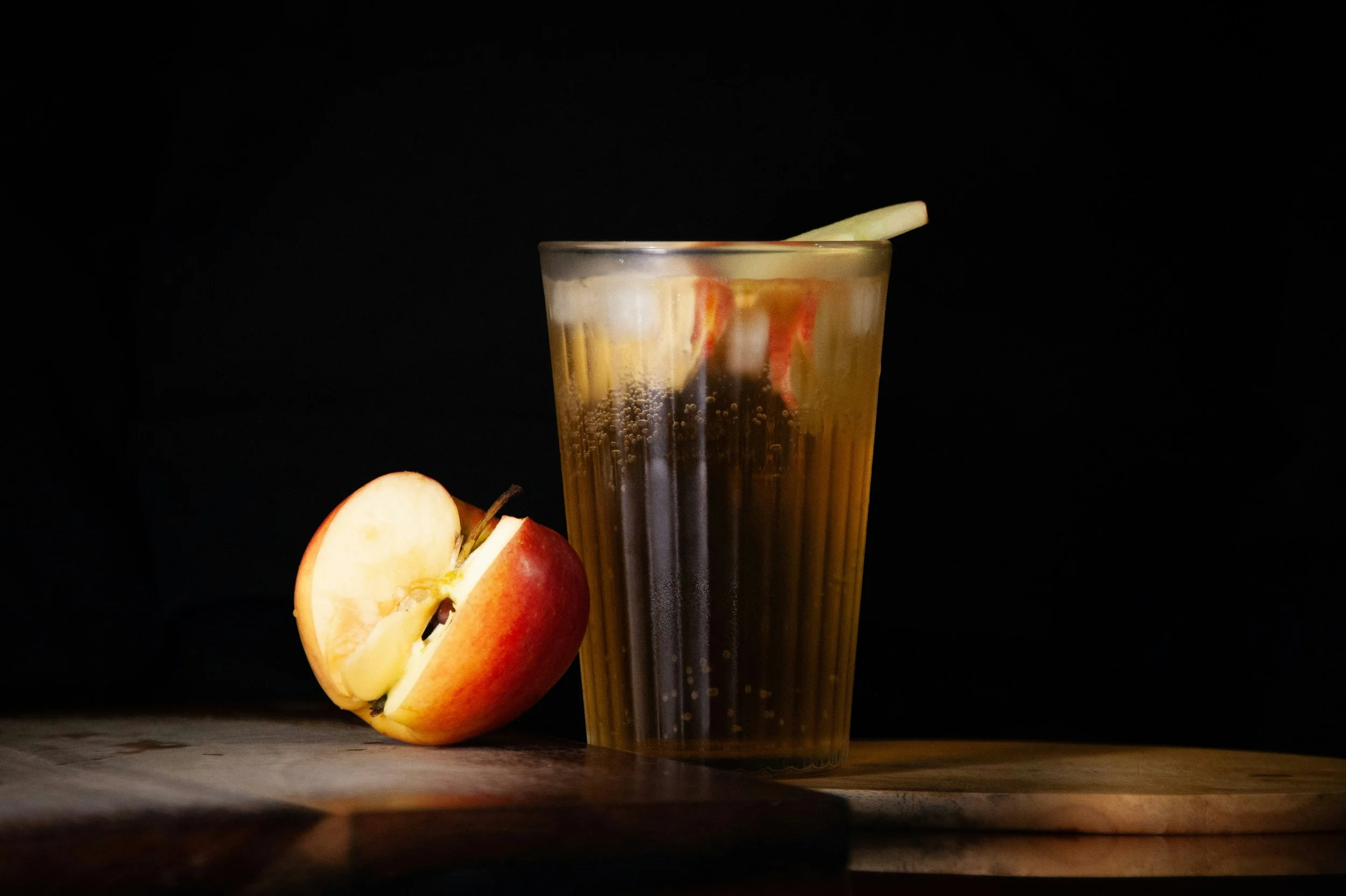
They both come from apples, but there's a reason one feels like fall in Michigan.
There's something about that first glass of apple cider in the fall.
Maybe it's the cider mill you visit every October, the donuts that somehow taste better when you're standing outside, or the jug you bring home that disappears before the weekend is over.
But have you ever wondered what actually makes apple cider different from apple juice?
After all, they're both made from apples. So why does one taste like something special you picked up at a Michigan orchard, while the other sits in your refrigerator all year?
The answer is a little more interesting than you might think.
It Starts With the Apples
Both apple cider and apple juice begin with the same basic ingredient: apples.
The difference is usually how they're processed.
Traditional fresh apple cider is made by grinding apples and pressing them to extract their juice. It's typically less filtered, which gives it that cloudy appearance and fuller apple flavor.
Apple juice, on the other hand, is usually filtered to remove more of the solids. Many commercially produced juices are also processed for consistency and a longer shelf life.
That's why the apple juice you buy at the grocery store is often clear and tastes pretty much the same whenever you open a bottle.
Fresh cider tends to have more variation.
The apple varieties used, their ripeness, and the blend chosen by the cider maker can all influence the flavor.
One batch might be especially sweet. Another might have a little more tartness.
And that's part of what makes visiting different cider mills fun.
Why Is Cider Such a Michigan Fall Tradition?
Michigan is one of the country's leading apple-producing states, growing varieties used for everything from fresh eating to pies, applesauce, and cider.
Apple harvest season generally runs from late summer through fall, making autumn a natural time for cider production.
For many Michigan families, cider mills are practically their own fall tradition.
But there's a connection to local agriculture beyond the donuts and hayrides.
When you purchase cider from a Michigan orchard, you may be buying a product made from apples grown right on that farm or sourced from other Michigan growers.
It's one of the easiest ways to experience something produced close to home without changing how you normally shop or eat.
Is Fresh Apple Cider Pasteurized?
Sometimes yes, sometimes no.
And this is an important distinction.
Pasteurization is a process that uses heat to reduce harmful microorganisms that may be present in juice. Some cider producers use other validated treatments, including ultraviolet light, to reduce those risks.
Untreated cider can contain harmful bacteria, including E. coli and Salmonella, even when the apples look clean and fresh.
The FDA recommends choosing juice and cider that have been treated to reduce harmful bacteria, especially for children, older adults, pregnant people, and anyone with a weakened immune system.
If you're buying cider directly from a mill or farm stand, don't hesitate to ask how it's processed.
And remember, fresh doesn't automatically mean unpasteurized. Plenty of cider mills offer treated cider that still has that familiar fall flavor.
What Should You Look for When Buying Cider?
If you're standing in front of a cooler full of jugs at a local orchard, there are a few things worth checking.
Where are the apples from? Some mills use fruit grown on their own property, while others source from Michigan orchards.
Is the cider treated for safety? Check the label or ask the producer about pasteurization or other treatments.
Does it need refrigeration? Fresh refrigerated cider should be kept cold and consumed according to the producer's guidance.
What does it taste like? If the mill offers samples, try one! Different apple blends can create noticeably different flavors.
And if you're curious, ask which varieties went into the batch. You might discover a new favorite apple along the way.
Beyond the Cider Donut
Apple cider is great straight from the refrigerator, but there are plenty of other ways to enjoy it.
Warm it gently with cinnamon sticks and cloves for an easy fall drink.
Use a splash in a pork roast or slow-cooker meal.
Reduce it on the stove to create a concentrated apple flavor for baked goods, glazes, or dressings.
Or freeze some in a freezer-safe container, leaving room for expansion, to enjoy later in the season.
A Little More Than a Fall Drink
You don't need to know the difference between every apple variety or understand the cider-making process to appreciate a good glass of cider.
But knowing a little about how it's made can make your next trip to the cider mill more interesting.
The next time you pick up a jug, take a look at where the apples came from and how the cider was made.
You might find that your favorite fall tradition comes with a pretty great Michigan agriculture story.
Looking for more local food experiences?
Explore the Field + Flock Farm Directory to discover Southeast Michigan orchards, farm stands, and local food producers.