

Parsnips: The Carrot's Underrated Cousin
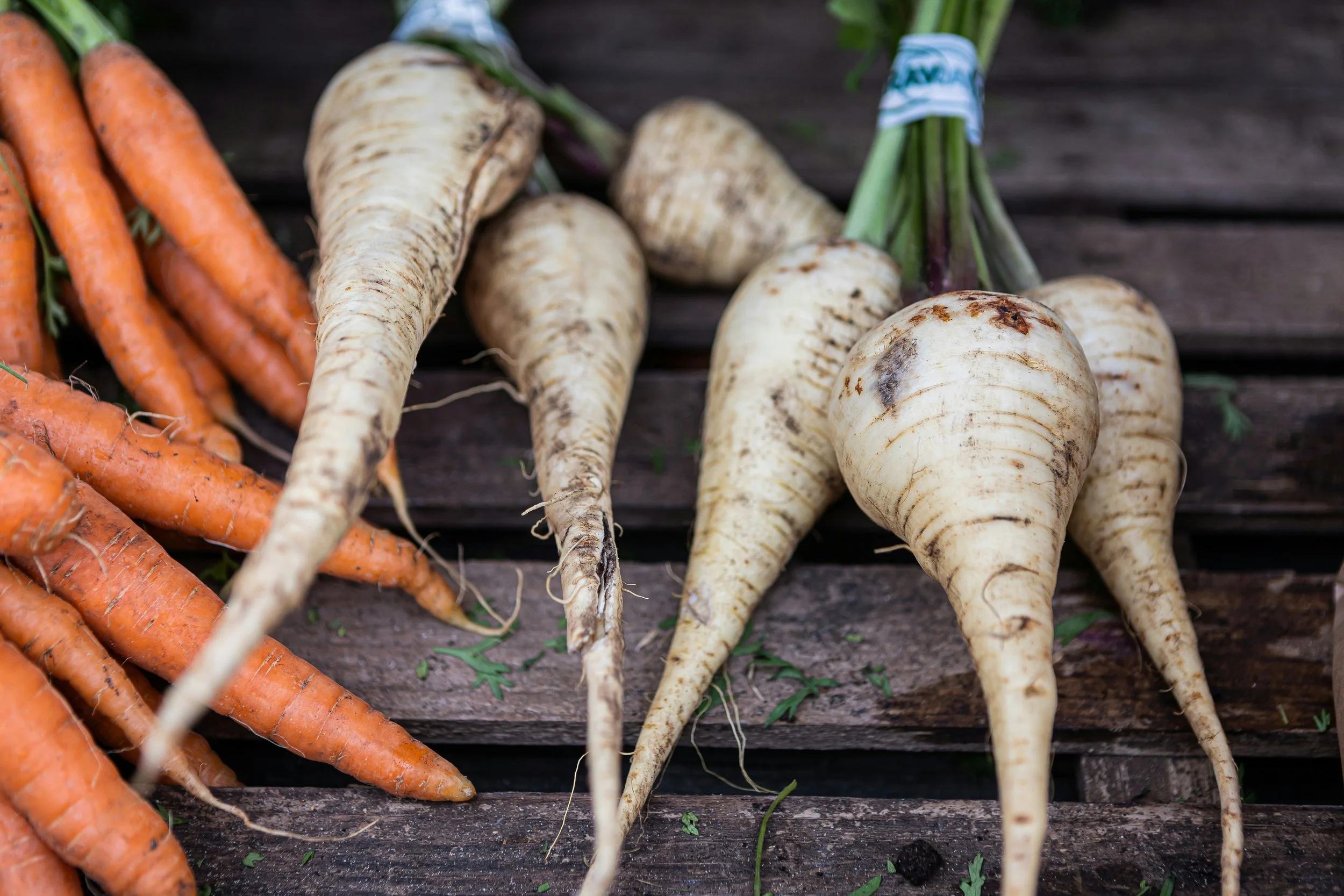
They look like pale carrots, taste a little sweeter, and might just earn a spot in your next Sunday dinner.
Some vegetables are pretty easy to figure out.
Carrots? No explanation needed. Potatoes? We know what to do.
But every once in a while, you spot something at the farmers market that looks familiar enough to recognize and different enough to make you keep walking.
That's where parsnips come in.
They're long, creamy white, and look a lot like carrots that forgot to turn orange.
And while they might not be the most exciting-looking vegetable on the table, they're surprisingly good once you know what to do with them.
What Exactly Is a Parsnip?
Parsnips are root vegetables closely related to carrots and parsley.
They grow underground and have a firm texture, pale flesh, and a naturally sweet, slightly nutty flavor.
If you've never tasted one, imagine a carrot with a little more earthiness and a subtle, almost buttery sweetness when cooked.
They're also a good source of fiber and contain nutrients including vitamin C and potassium.
But the real reason to give parsnips a chance?
They're easy to use in meals you're probably already making.
Why Are Parsnips a Fall Favorite?
Parsnips are cool-weather vegetables that grow well in Michigan.
They're often harvested in fall, and exposure to cold temperatures can help develop their sweetness as some of their starches convert to sugars.
That makes them especially appealing when the weather turns chilly and we're all starting to think about roasts, soups, and anything that comes out of the oven.
Parsnips can also be stored for months under the right cold, humid conditions, making them one of those vegetables that can stick around long after summer produce has disappeared.
They're not flashy, but they're dependable.
And honestly, that's a pretty useful quality in a vegetable.
What Do You Actually Do With Parsnips?
The good news is that you don't need to learn an entirely new way to cook.
If you can roast carrots or potatoes, you can cook parsnips.
Roast them with carrots.
Peel and cut your parsnips into similar-sized pieces, toss with olive oil, salt, and pepper, and roast at 425°F for roughly 25–35 minutes, turning occasionally, until tender and lightly browned.
Mix them with carrots for an easy side dish that has a little more flavor than either vegetable on its own.
Add them to mashed potatoes.
Boil a few peeled parsnips with your potatoes, then mash everything together with butter and a splash of milk.
They add a subtle sweetness without making the dish taste completely different.
Use them in soups and stews.
Parsnips work especially well in chicken soup, beef stew, and creamy vegetable soups.
Simply dice them and cook them the same way you would carrots.
Try parsnip fries.
Cut them into sticks, toss with olive oil, garlic powder, and paprika, then roast until tender and browned.
They won't be exactly like potato fries, but they make a delicious side dish.
How to Choose Good Parsnips
If you're shopping at a farm stand or farmers market, look for roots that feel firm and aren't soft, shriveled, or badly damaged.
Smaller to medium-sized parsnips are often a good starting point, especially if you've never cooked them before.
Very large parsnips can develop a tougher, woodier center.
Once you get them home, remove any leafy tops and store the roots in the refrigerator, ideally in the crisper drawer.
Wait to wash them until you're ready to cook.
Start With Just One
Trying new vegetables doesn't have to mean buying a giant bag of something you aren't sure you'll like.
Pick up one or two parsnips the next time you see them.
Roast them alongside vegetables you already enjoy. Add a few pieces to your next pot roast. Or swap them into a soup you'd normally make with carrots.
Maybe they'll become a regular part of your winter cooking. Maybe they're just something you try once.
Either way, you've learned a little more about what's growing here in Michigan.
And that's a pretty good place to start.
Curious about what else is growing nearby?
Browse the Field + Flock Farm Directory to find Southeast Michigan farms, markets, and seasonal food producers.