

Rutabagas: The Underrated Fall Vegetable Worth Bringing Home
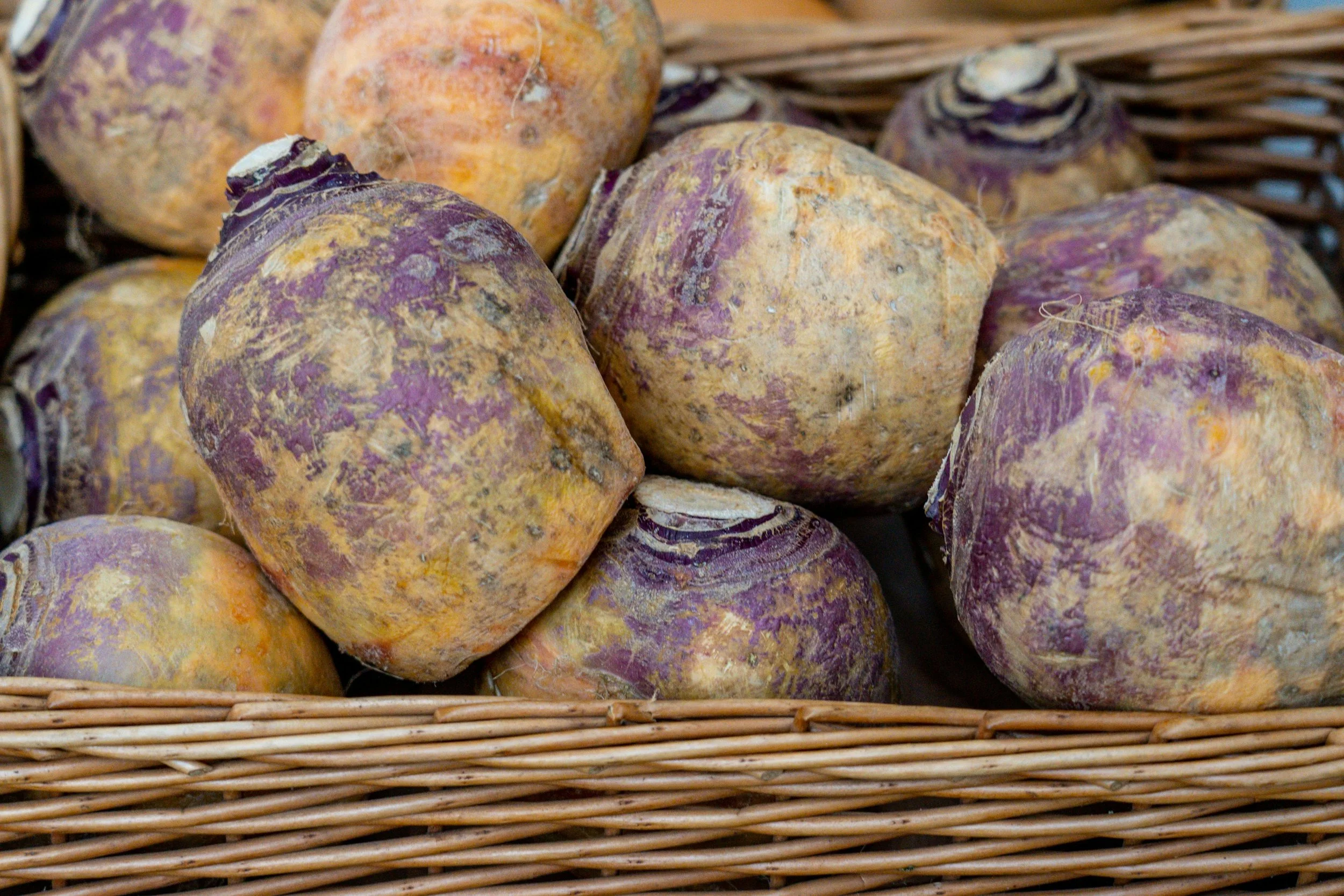
They're not winning any beauty contests, but this humble Michigan-grown root vegetable might surprise you.
You know those vegetables at the farmers market that you walk right past because you're not entirely sure what to do with them?
Meet the rutabaga.
It's round, a little rough around the edges, usually purple on top and yellowish underneath. It looks suspiciously like an oversized turnip, and unless you grew up eating one, there's a good chance it's never made it into your shopping bag.
But rutabagas have been showing up on fall dinner tables for generations, and there's a reason they've stuck around.
They're affordable, versatile, and surprisingly good when you know what to do with them.
And right now, they're in season here in Michigan.
So, What Exactly Is a Rutabaga?
Think of a rutabaga as a cross between a turnip and a cabbage. Because that's pretty much what it is.
Part of the same family as broccoli, kale, and Brussels sprouts, rutabagas are root vegetables with dense, pale yellow flesh and a flavor that's a little earthy, a little sweet, and much milder than you might expect.
If you've ever had a turnip and thought it tasted a bit too peppery, rutabaga might be more your speed.
Cooking brings out its natural sweetness, especially when roasted. The texture becomes tender and hearty, making it a great addition to the kind of meals we start craving when Michigan temperatures drop.
It's also a good source of fiber, vitamin C, and potassium. Nothing fancy, just a solid vegetable with plenty to offer.
A Little Michigan Connection
Rutabagas are cool-weather crops, which makes them well suited to Michigan's growing season.
Michigan-grown rutabagas are typically harvested from late September through November. Cooler temperatures help develop their flavor, and the roots store well, meaning you may find locally grown rutabagas available beyond harvest season.
And here's a fun bit of Michigan food history: rutabagas are a traditional ingredient in Upper Peninsula pasties.
Those hearty handheld pies, filled with meat, potatoes, onions, and sometimes carrots, have long been a staple of the U.P.'s food culture. Rutabagas bring a little sweetness to the savory filling.
So even if rutabagas aren't familiar in your kitchen, they've been part of Michigan's food story for a long time.
Okay, But What Do You Actually Do With One?
This is where rutabagas deserve a second look.
You don't need a special recipe, fancy ingredients, or an entire afternoon in the kitchen. In fact, if you can cook a potato, you're already halfway there.
1. Roast them like potatoes.
This is probably the easiest introduction. Peel, cube, toss with olive oil, salt, pepper, and a little garlic, then roast at 425°F for about 35–45 minutes, until tender and golden.
The edges caramelize, the inside gets soft, and the flavor becomes a little sweeter.
Try roasting them alongside potatoes and carrots for an easy fall side dish.
2. Mash them with butter.
Boil peeled, chopped rutabaga until fork-tender, then mash with butter, salt, and pepper.
The flavor is a little sweeter and earthier than mashed potatoes. If you're not quite ready to commit to an entire bowl of mashed rutabaga, try mixing it half-and-half with potatoes.
3. Toss them into soup or stew.
Rutabagas hold up well in slow-cooked dishes. Add a handful of diced rutabaga to beef stew, vegetable soup, or a Sunday pot roast.
They soften as they cook and add a subtle sweetness without overpowering everything else.
4. Make rutabaga fries.
Cut into sticks, toss with olive oil and your favorite seasonings, and roast until tender and browned.
They won't have quite the same texture as potato fries, but they're a fun way to try something different.
How to Pick a Good Rutabaga
If you spot rutabagas at a local farm stand or farmers market this fall, here's what to look for:
Firm and heavy: Choose one that feels solid for its size, without soft spots.
Smooth, intact skin: A few bumps are perfectly normal, but skip ones with deep cracks or signs of decay.
Manageable size: A smaller or medium-sized rutabaga is often easier to work with, especially if it's your first time cooking one.
Before preparing it, give it a good scrub under running water. Most rutabagas have a thick skin that you'll want to peel, and grocery-store varieties sometimes have a food-grade wax coating to help preserve freshness.
One tip: Rutabagas can be pretty tough to cut. Use a sharp knife and a stable cutting board. Cutting the vegetable in half before peeling can make it easier to manage.
How Long Will They Keep?
Here's another reason to appreciate rutabagas: they're not nearly as delicate as some of our favorite summer produce.
Unwashed rutabagas can stay fresh for around three weeks in a plastic bag in the refrigerator.
With the right cold, humid storage conditions, they can last much longer.
That made them especially valuable long before refrigerators became an everyday kitchen appliance, when root vegetables helped families stretch their harvests through winter.
And it's still pretty convenient today, especially when you've bought more produce than you can realistically cook in one week.
Give the Humble Rutabaga a Chance
Not every local food discovery needs to be an elaborate recipe or a complete overhaul of the way you eat.
Sometimes it's as simple as picking up one vegetable you've never tried, bringing it home, and seeing what happens.
Maybe rutabagas become your new favorite thing to roast alongside Sunday dinner. Maybe they find their way into your next batch of soup. Or maybe you decide potatoes are still your favorite.
That's okay, too.
The fun is in getting a little more familiar with what's growing close to home.
So the next time you're browsing a Michigan farm stand or fall farmers market, and you spot that funny-looking purple-and-yellow root vegetable, you'll know exactly what you're looking at.
And maybe this time, you'll bring one home.
Find more of what's growing close to home.
Explore the Field + Flock Farm Club directory to connect with farms, farm stands, farmers markets, and local food producers across Southeast Michigan.