

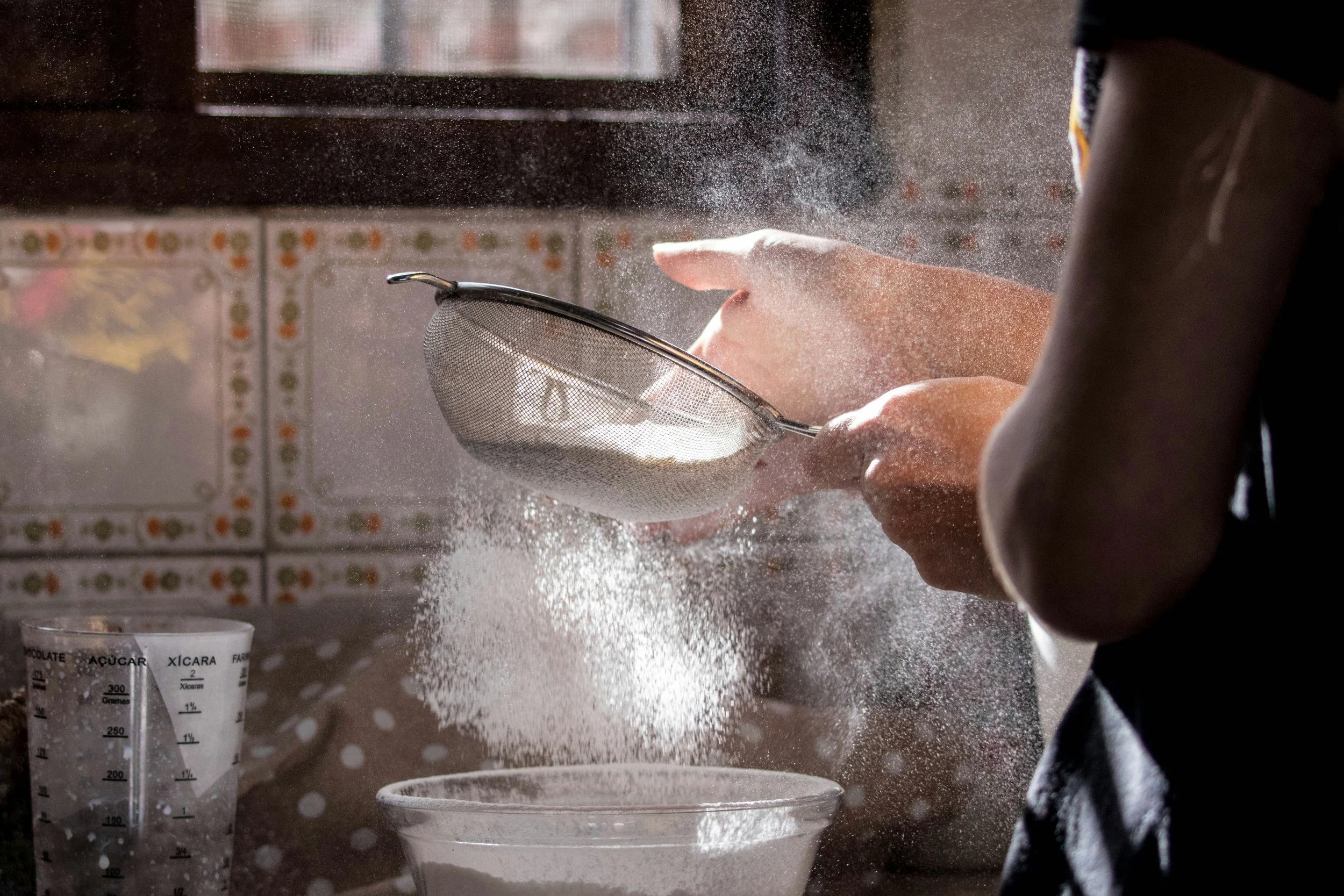
We talk a lot about buying local produce, meat, and eggs. But there's one ingredient sitting in almost every kitchen that rarely gets the same attention.
Flour.
It's in our bread, cookies, pancakes, pizza dough, and the baked goods we pick up at our favorite markets. We use it constantly, but how often do we think about where it came from?
Before that flour made its way into a paper bag at the grocery store, it was growing in a field. And here in Michigan, there's a pretty interesting story behind it.
Yes, Michigan Grows Wheat
Michigan might be better known for cherries, apples, and dairy farms, but wheat is an important part of our agricultural landscape.
In fact, much of the wheat grown here is soft wheat, particularly varieties that are well suited for foods like cookies, crackers, cakes, and pastries.
That distinction matters because not all wheat behaves the same way in the kitchen.
Soft wheat generally has less protein and produces a more tender result. Hard wheat typically has more of the proteins needed to develop strong gluten, making it better suited for chewy bread, bagels, and pizza dough.
That's one reason a flour that makes a wonderful pie crust might not be your first choice for a big, crusty loaf of sourdough.
And here's something interesting: Michigan State University researchers are working with farmers, millers, and bakers to explore more varieties of hard wheat that can grow successfully here.
It's part of a broader effort to connect Michigan-grown grain with the people who want to bake with it.
How Does Wheat Become Flour?
The process begins long before anyone starts baking.
Farmers plant and grow wheat, allowing the grain to mature before it's harvested. The harvested kernels, often called wheat berries, are then cleaned and prepared for milling.
Each wheat kernel contains three main parts.
Bran is the outer layer, which provides fiber and other nutrients.
Germ is the portion that can grow into a new plant. It contains nutrients and natural oils.
Endosperm is the largest portion of the kernel and contains much of the starch and protein used in baking.
Milling breaks down the grain into flour. Depending on how it's processed, some or all of those components may be included in the finished product.
Whole wheat flour contains all three parts of the grain in their original proportions. Refined white flour is made primarily from the endosperm, giving it a lighter texture and different baking properties.
Neither is automatically the right choice for every recipe. It depends on what you're making.
What's the Deal With Freshly Milled Flour?
If you've been browsing local bakeries or baking videos lately, you might have noticed more conversations about freshly milled flour.
The idea is simple: instead of using flour that was milled well before purchase, a mill grinds whole grains closer to the time they're used.
Freshly milled whole-grain flour can have a distinct aroma and flavor, sometimes described as nutty or earthy.
But fresh milling isn't a guarantee that flour is healthier than everything available at the grocery store.
The type of grain and whether the flour includes the bran and germ are important factors in its nutritional makeup.
There's also a practical difference worth knowing. Whole-grain flour contains natural oils that can become rancid over time. If you're buying freshly milled whole-grain flour, ask the miller about storage. An airtight container in the refrigerator or freezer can help protect its quality.
Is Locally Milled Flour Better for Baking?
Sometimes, but it depends on what you're baking and what you're comparing it with.
A locally milled whole-grain flour might be wonderful in muffins, pancakes, rustic breads, and cookies. But switching it for regular all-purpose flour in every recipe won't always give you the same result.
Whole-grain flour can absorb liquid differently and its bran can affect gluten development, changing the texture of your finished bake.
If you're curious, start small.
Try replacing about a quarter of the all-purpose flour in a familiar recipe with a suitable whole-grain flour. See how the flavor and texture change, then experiment from there.
Just remember that flour is a raw agricultural product. Even freshly milled flour should be cooked or baked before eating.
How Do You Know if Your Flour Is Actually Local?
Here's where it's worth asking questions.
A bag of flour sold at a Michigan shop isn't necessarily made from Michigan-grown wheat. And flour milled in Michigan might use grain grown elsewhere.
Neither makes it a bad product, but there's a difference between locally sold, locally milled, and locally grown.
If knowing the origin matters to you, look for information about both the farmer and the mill.
You can also ask a local baker whether they use regionally grown grain. Some bakeries work directly with farms or smaller mills, creating another connection between the field and the food on your table.
Want to Try Michigan-Milled Flour? Start Here.
You don't have to travel across the state or buy a grain mill for your kitchen to experience locally milled flour. There are farms right here in Southeast Michigan doing the work of turning locally grown grains into baking staples.
Here are two worth getting to know.
Stony Croft Farms | Lapeer County
At Stony Croft Farms in Lapeer, the connection between the field and your flour bag is especially close.
The farm grows its own grains and also sources grain from nearby growers, using a traditional stone mill to turn those harvests into flour.
Their selection includes familiar baking staples like all-purpose and whole wheat flour, along with options such as rye, spelt, einkorn, and buckwheat.
For home bakers who have never tried locally milled flour, it's a great opportunity to explore something beyond the usual grocery-store selection.
Visit their website and flour selection and contact the farm to arrange an order or pickup.
Westwind Farm & Flour Mill | Genesee County
Over in Swartz Creek, Westwind Farm & Flour Mill takes a similar approach to connecting Michigan agriculture with everyday baking.
The farm's stone mill processes Michigan-grown, certified organic grains into different varieties of flour and baking mixes.
Whether you're experimenting with sourdough, making a batch of pancakes, or simply curious about baking with a different type of wheat, Westwind offers a way to discover what locally milled grains can bring to your kitchen.
Beyond flour, the farm also has a history of offering produce, eggs, and baked goods.
Explore their milling products and check directly with the farm for current availability and purchasing arrangements.
A little tip before you buy: If you're new to freshly milled flour, ask which variety works best for the recipe you're planning. A good bread flour and a tender pastry flour aren't necessarily interchangeable, and your local miller can help point you in the right direction.
There's More to Buying Local Than What's in the Produce Bin
The next time you're making pancakes on a Sunday morning or baking a batch of cookies, take a second to think about the flour.
Somewhere, a farmer planted, tended, and harvested the grain that made those familiar foods possible.
And sometimes, that grain doesn't have to travel very far before becoming something you can bake with.
Buying locally grown grain or flour isn't something everyone needs to do for every recipe. But learning where it comes from gives us another way to understand Michigan agriculture.
And it might make that next loaf of bread a little more interesting.
Curious about the farms and food businesses behind what we eat? Explore the Field + Flock Farm Directory and discover more of Southeast Michigan's agricultural community.
Find your roots here.