

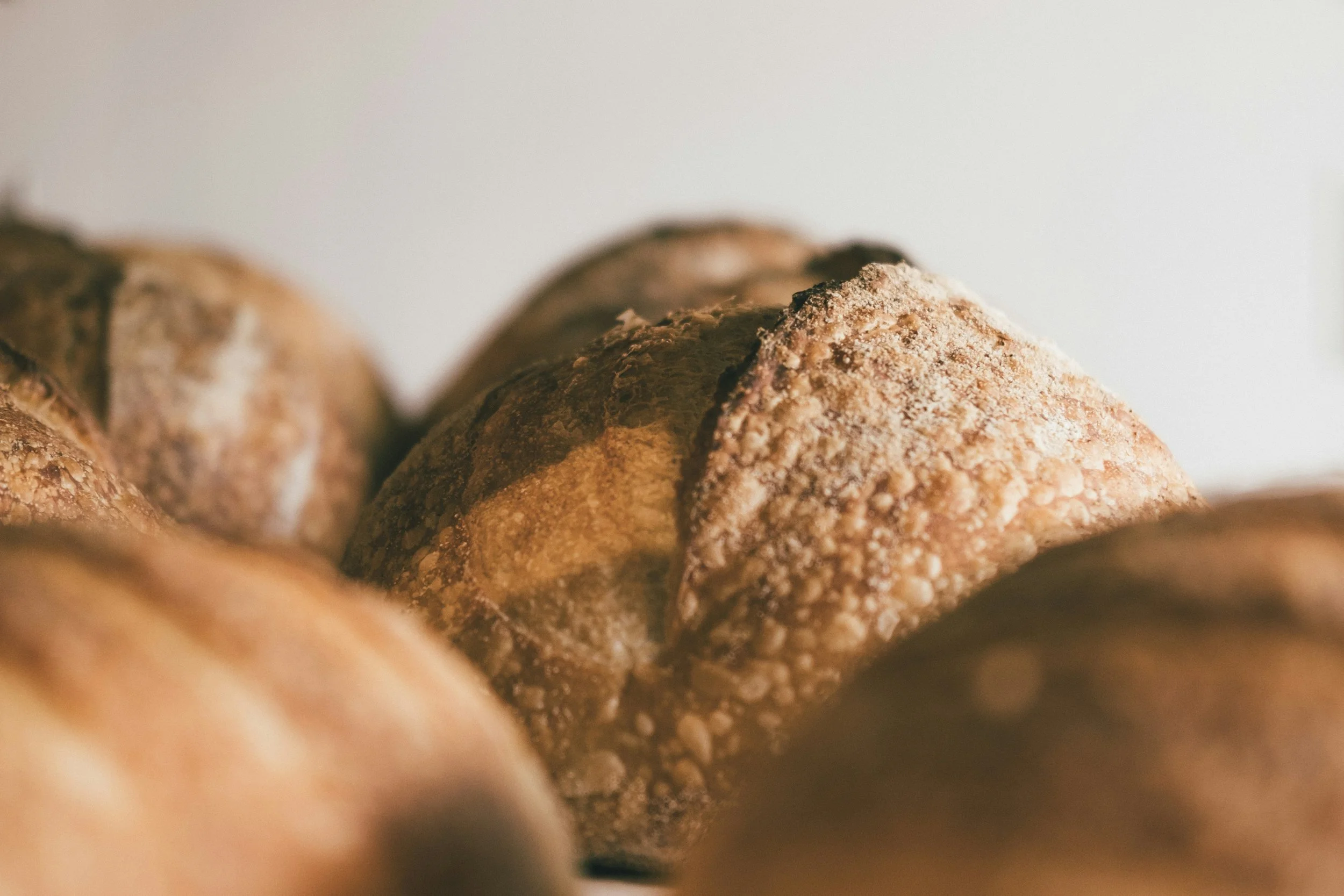
You're wandering through a farmers market when you spot a table filled with homemade sourdough, beautifully decorated cookies, and jars of jam.
There's a handwritten sign, a few samples, and someone behind the table who can tell you exactly how everything was made.
It's one of the things that makes shopping at local markets so much fun.
But have you ever noticed the little label that says the food was made in a home kitchen that hasn't been inspected by the state?
It might sound surprising, especially if you haven't heard of Michigan's Cottage Food Law.
The good news is there's a reason these businesses exist, and understanding how they work can help you shop with a little more confidence.
What Exactly Is a Cottage Food Business?
A cottage food business is a small food operation that makes certain types of products in a home kitchen instead of a licensed commercial facility.
Michigan allows qualifying home-based producers to sell specific foods without obtaining a food establishment license, provided they follow the state's cottage food requirements.
That means someone might be able to turn a family cookie recipe, a talent for bread baking, or a really good fruit jam into a small business without immediately investing in an expensive commercial kitchen.
For shoppers, it's another way to buy food directly from the person who makes it.
And for local entrepreneurs, it's an opportunity to test an idea, build a customer base, and potentially grow something bigger.
What Foods Can Cottage Food Makers Sell in Michigan?
Not everything made at home qualifies.
Michigan's rules generally focus on foods that can be safely stored at room temperature without refrigeration for food safety.
Some examples include:
Breads, cookies, and many other shelf-stable baked goods
Qualifying fruit jams and jellies
Granola and certain snack mixes
Dry baking mixes, herbs, and seasonings
Certain candies and confections
But there are important exceptions.
Products like cheesecakes, cream cheese frosting, canned vegetables, pickles, and salsa don't qualify under the standard cottage food exemption. Certain canned fruit spreads, including apple butter, are excluded too.
Honey and maple syrup have separate rules rather than falling under the same cottage food category.
So while two tables at a farmers market might both feature homemade products, they may be operating under completely different food regulations.
You can see Michigan's full list of allowed and prohibited products through the Michigan Department of Agriculture & Rural Development.
What Does That Home Kitchen Label Actually Mean?
This is probably the most useful thing for shoppers to understand.
Michigan cottage foods must carry a statement explaining that the product was made in a home kitchen that hasn't been inspected by the Michigan Department of Agriculture & Rural Development.
It doesn't automatically mean the food is unsafe.
It means the business is operating under a legal exemption that does not require the same routine licensing and inspection process as a commercial food establishment.
Cottage food producers are still responsible for making safe products and meeting the applicable food laws. The state can investigate complaints and potential food safety problems.
The label should also provide important details, including the product name, ingredients, net quantity, and required allergen information.
It must identify the operation through the information Michigan requires, which may include an authorized registration number and phone number rather than the maker's home address.
That information matters, especially if you or someone you're shopping for has a food allergy.
Can You Order Cottage Foods Online?
Yes, and this is one of the newer developments in Michigan.
Changes to the state's cottage food rules in 2026 allow qualifying producers to sell through online or mail-order channels, including certain delivery arrangements, when the customer has an opportunity to communicate directly with the producer.
The products must still be sold or delivered within Michigan, and cottage food businesses cannot simply wholesale their products to grocery stores or restaurants for resale.
So if you see a Michigan home baker taking orders through a website or social media, that alone doesn't mean they're operating outside the rules.
The important part is whether the business and its products meet Michigan's requirements.
Does Homemade Mean Locally Grown?
Not necessarily, and that's an important distinction.
A cookie made in a Michigan kitchen is locally made. But the flour, chocolate, sugar, and other ingredients might come from anywhere.
Some cottage food producers intentionally source ingredients from local farms, while others focus on a specialty recipe or product that doesn't require local ingredients.
Both can be valuable parts of the community. They're just different things.
If supporting Michigan agriculture is important to you, ask which ingredients are locally grown or sourced.
Maybe the baker uses apples from a nearby orchard. Maybe the jam maker buys berries from a Michigan grower. Or perhaps the bread maker uses locally milled flour.
Those connections are worth discovering rather than assuming.
Three Questions Worth Asking at the Market
One of the best things about shopping with a small food maker is that you can usually talk directly with the person behind the product.
Before bringing something home, consider asking:
What's in it? This is especially important for allergies, dietary restrictions, or unfamiliar ingredients.
How should I store it? Even shelf-stable foods have storage recommendations and limits on how long they'll maintain their quality.
Do you use any locally grown ingredients? It's a simple question that might lead you to another Michigan farm or food business worth discovering.
You don't need to interrogate someone over a bag of cookies. A little curiosity is plenty.
Small Kitchens Can Be Part of a Bigger Local Food Community
Behind a table of homemade baked goods might be a parent building a business between school pickups, someone preserving a family recipe, or a baker testing a product before opening a storefront.
And while not every cottage food maker is also a farmer, these businesses can be an important part of the broader local food community.
They give shoppers more choices, bring new businesses into markets, and sometimes create opportunities for local farms to sell ingredients to other local makers.
The next time you spot a homemade loaf, a jar of fruit jam, or a package of decorated cookies, take a look at the label and ask about the story behind it.
You might discover that there's a lot more happening in that home kitchen than you realized.
Want to discover more of the people producing food close to home? Explore the Field + Flock Farm Directory for local farms, markets, and agricultural businesses across Southeast Michigan.
Find your roots here.