
Preserve the Bounty | Potatoes
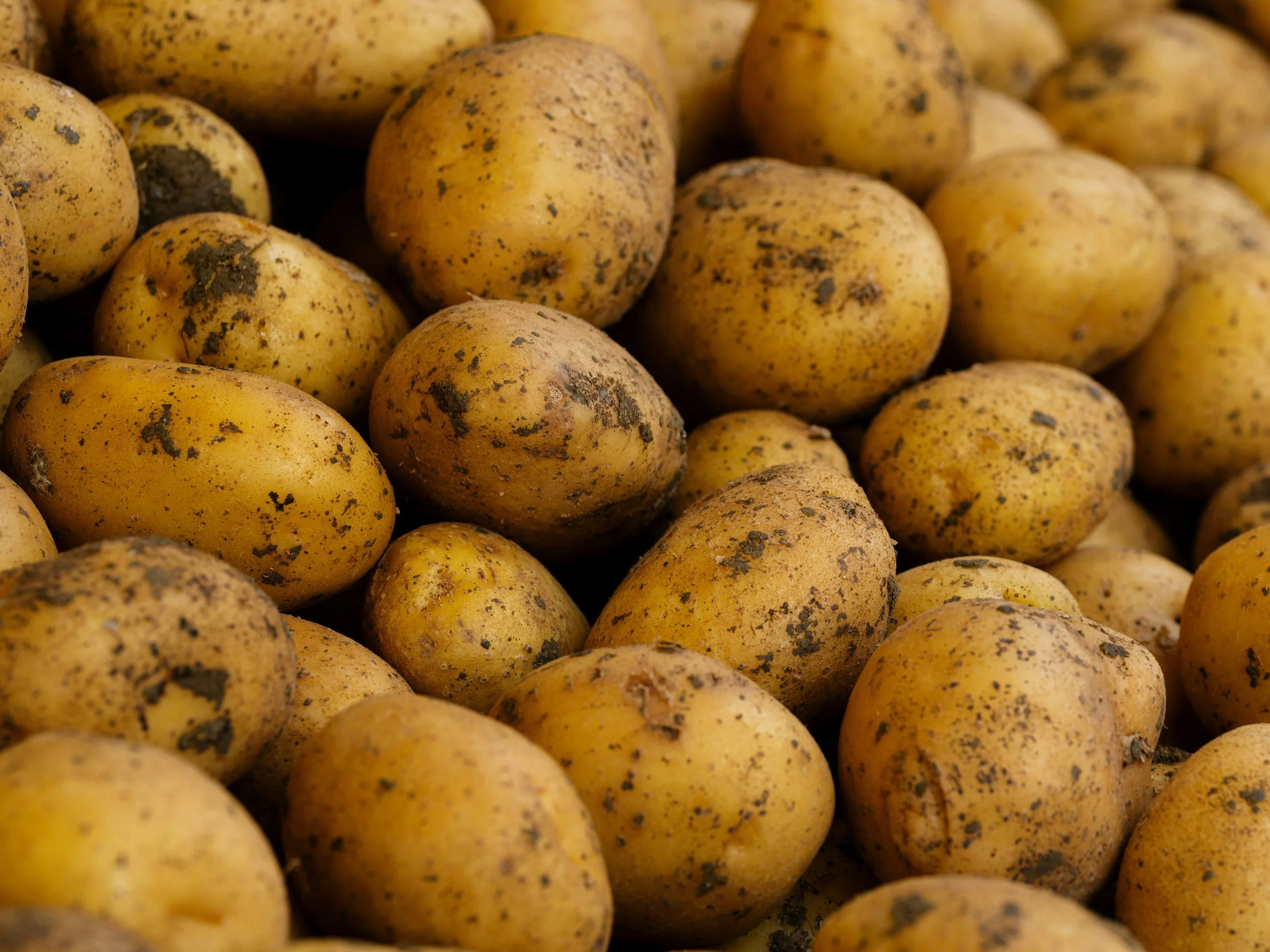
When it comes to preserving the harvest, few crops are as dependable as the humble potato. Potatoes are easy to store, incredibly versatile in the kitchen, and can provide months of locally grown meals long after the growing season ends.
Whether you've picked up a few pounds at the farmers market or stocked up from a Southeast Michigan farm, preserving potatoes is one of the best ways to build a winter pantry rooted in local food.
Why Potatoes Are Worth Preserving
Potatoes have been a staple storage crop for generations because they naturally keep longer than many fresh vegetables. With proper storage and preservation methods, potatoes can remain part of your meal plan throughout the colder months.
They're also remarkably versatile. Potatoes can be:
Stored fresh
Frozen
Dehydrated
Canned
Turned into freezer meals
Having multiple preservation methods available helps reduce food waste and ensures you'll have potatoes ready for everything from weeknight dinners to holiday gatherings.
Buying Potatoes from a Local Farm
If you're buying directly from a local farm, take advantage of the opportunity to learn more about the crop.
Ask the farmer:
Is this a storage variety?
Have the potatoes been cured?
Which varieties store the longest?
Which are best for baking, roasting, frying, or mashing?
Some farms grow potatoes intended for immediate use, while others grow storage varieties specifically selected for their long shelf life. Knowing the difference can help you decide which preservation methods make the most sense.
When selecting potatoes, choose:
Firm potatoes with smooth skin
Potatoes free of cuts and bruises
Potatoes without sprouts
Potatoes without soft spots
1. Store Them Whole
For most households, storing potatoes whole is the easiest preservation method.
Potatoes store best in a location that is:
Cool
Dark
Dry
Well ventilated
Good options include:
Basements
Root cellars
Unheated pantries
Cool utility rooms
Store potatoes in:
Paper bags
Wooden crates
Cardboard boxes with ventilation holes
Baskets
Avoid storing potatoes in sealed plastic bags, which can trap moisture and encourage spoilage.
Don't Store Potatoes with Onions
Many people assume potatoes and onions belong together, but they actually store better apart.
Onions release gases and moisture that can encourage potatoes to sprout and deteriorate more quickly.
Giving each crop its own space can significantly improve storage longevity.
2. Freeze Prepared Potatoes
Raw potatoes generally do not freeze well, but cooked potatoes freeze beautifully.
Try freezing:
Mashed potatoes
Roasted potatoes
Potato wedges
Hash browns
Potato soup bases
To freeze:
Cook the potatoes.
Allow them to cool completely.
Portion into freezer-safe containers.
Label and freeze.
This preservation method is perfect for busy families looking to simplify meal prep during winter.
Method #3: Preserve Homemade Fries
A freezer full of homemade fries is a wonderful way to extend the harvest.
To prepare:
Cut potatoes into fry shapes.
Blanch briefly in boiling water.
Cool completely.
Freeze on a baking sheet.
Transfer to freezer bags.
When you're ready to enjoy them, bake or air fry directly from frozen.
4. Dehydrate Potatoes
Dehydrating is an excellent option when storage space is limited.
Potatoes can be:
Sliced
Diced
Shredded
After blanching, dry them completely using a dehydrator or approved drying method.
Dehydrated potatoes take up very little room and are excellent for:
Soups
Stews
Camping meals
Emergency pantry supplies
When stored properly in airtight containers, dehydrated potatoes can remain usable for an extended period.
5. Pressure Can Potatoes
Canning potatoes is another excellent way to preserve the harvest, but it comes with an important safety note.
Potatoes are a low-acid food, which means they must be processed using a pressure canner. Water bath canning is not considered safe for preserving potatoes.
Pressure-canned potatoes are convenient because they are already cooked and ready to use in:
Soups
Stews
Roasts
Skillet meals
Quick side dishes
Because canning recommendations can change over time, it's important to use only tested recipes and current processing guidelines.
For trusted canning information, consult:
National Center for Home Food Preservation (NCHFP): https://nchfp.uga.edu
Ball Mason Jars & Home Preserving: https://www.ballmasonjars.com
Bernardin Home Canning: https://www.bernardin.ca
These organizations provide research-based canning instructions and tested recipes that help ensure food safety.
6. Build a Freezer Meal Pantry
Another way to preserve potatoes is by incorporating them into make-ahead meals.
Consider preparing:
Shepherd's pie
Potato casseroles
Cheesy potato bakes
Breakfast skillets
Loaded mashed potatoes
Potato soup
Freezing complete meals can make winter cooking easier while helping you enjoy local ingredients months after harvest season.
Keep an Eye on Stored Potatoes
Even well-stored potatoes should be inspected regularly.
Remove potatoes showing:
Significant sprouting
Soft spots
Mold
Shriveling
Strong odors
One spoiled potato can accelerate spoilage throughout the container.
A quick monthly check helps protect the rest of your harvest.
Building a Winter Pantry
Potatoes are one of the foundations of seasonal eating in Southeast Michigan. Combined with onions, garlic, winter squash, carrots, apples, and other storage crops, they help bridge the gap between harvest season and spring.
Whether you choose to store, freeze, dehydrate, can, or build freezer meals, preserving potatoes is a simple way to keep local food on the table all winter long.
Rooted & Stored Tip: Don't rely on just one preservation method. Store some potatoes fresh for everyday cooking, freeze a few meal-ready portions, and consider pressure canning a batch for fast winter dinners. A diversified pantry is often the most resilient one.