
Fill the Freezer | Meat Shares
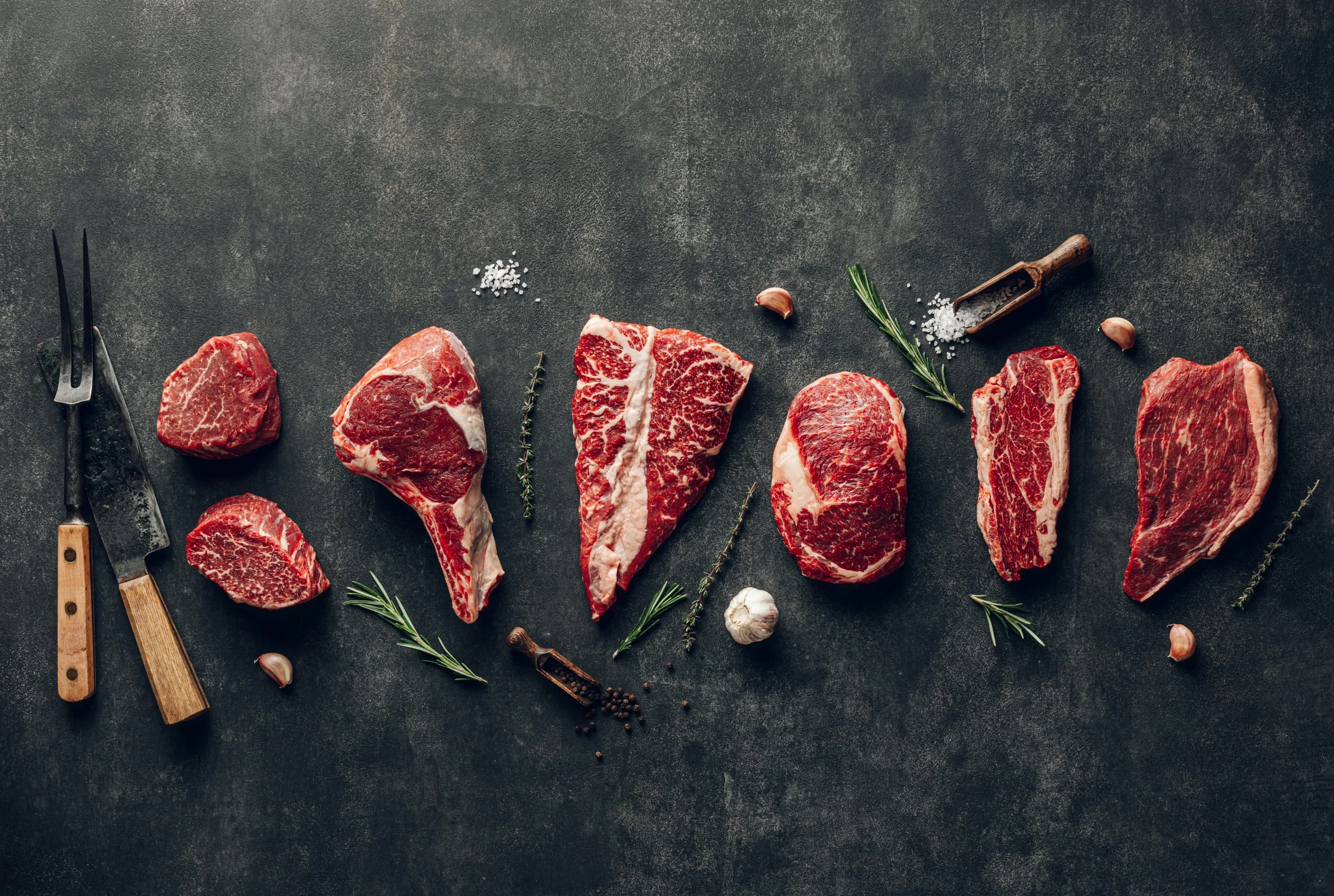
Buying Whole, Half & Quarter Meat Shares: A Beginner’s Guide to Understanding Your Options
Buying a meat share — whether a whole, half, or quarter animal — is simply one way to source local meat. Some people love the convenience and variety; others prefer buying individual cuts as needed. This guide walks you through how meat shares work, what you typically get, how customization works, and what to consider if you’re new to the idea.
What “Buying a Share” Actually Means
When you buy a meat share, you’re purchasing a portion of a whole animal directly from a local farmer. Instead of selecting individual cuts at the store or farm stand, you’re receiving a curated mix of steaks, roasts, ground meat, and specialty cuts based on how the animal is processed.
Most farms offer:
Whole share — the entire animal
Half share — split between two customers
Quarter share — a popular “starter” size
How the process usually works
Deposit: You reserve your share with a deposit (often $100–$300).
Processing date: The animal is harvested at a USDA or state‑inspected facility.
Hanging weight: You’re billed based on the hanging weight — the weight of the carcass before cutting.
Cut sheet: You choose how you want your portion processed (steak thickness, roast size, bone‑in vs boneless, etc.).
Pickup: Your meat is frozen, vacuum‑sealed, boxed, and ready for your freezer.
Buying individual cuts is simpler — you just pick what you want — but shares give you access to cuts you might not normally buy or see in stores.
What Cuts You Typically Get
Every farm and processor is a little different, but here’s what most people can expect.
Quarter Beef
Steaks — ribeye, sirloin, NY strip
Roasts — chuck, arm, rump
Ground beef — usually the largest portion
Short ribs
Stew meat
Optional: soup bones, liver, heart, tongue, oxtail
Half Beef
Everything above — doubled — with more flexibility in how cuts are divided.
Whole Beef
The full animal, which allows for:
Custom sausage blends
More specialty cuts
Larger roast sizes
Full control over how everything is portioned
If you prefer choosing only the cuts you know you’ll use, individual freezer meat might fit your cooking style better. Shares simply give you the whole spectrum.
Custom Cut Bundles You Can Request
Most processors let you tailor your share to your cooking habits. Popular customizations include:
Grill bundle — extra steaks, kabob meat, burger patties
Slow‑cook bundle — more roasts, stew meat, soup bones
Ground‑heavy bundle — great for weekly staples
Bone‑in bundle — ribs, marrow bones, bone‑in roasts
Offal bundle — liver, heart, tongue, kidney
These bundles don’t change the total weight — they simply shift how your portion is cut.
If you’re someone who likes picking specific cuts for specific recipes, buying individually might feel more intuitive. Shares are more about embracing variety.
Cost Perspective: How Pricing Works
Meat shares often use a “blended price” — one price per pound for everything in your box. This can feel different from buying individual cuts, where each item has its own price.
Typical blended pricing:
Quarter beef: $6–$8/lb
Half beef: $5.50–$7/lb
Whole beef: $5–$6.50/lb
This can be cost‑effective for some households, especially if they use a wide range of cuts. For others — especially those who mainly cook ground beef or only buy certain steaks — individual cuts may make more sense.
It’s not about one being “better,” just about which pricing style fits your habits.
How Much Freezer Space You Need
A common beginner question.
Quarter beef: ~100 lbs → 4–5 cubic feet
Half beef: ~200 lbs → 8–10 cubic feet
Whole beef: ~400 lbs → 16–20 cubic feet
If you don’t have extra freezer space, individual cuts are easier to manage. Shares require planning ahead.
How Long the Meat Lasts
Vacuum‑sealed, frozen local meat lasts:
18–24 months for steaks and roasts
12–18 months for ground beef
Up to 2 years for bones and offal
Most families finish a quarter beef in 4–6 months, depending on cooking habits.
Why People Choose Meat Shares
People who buy shares often appreciate:
Transparency — knowing how the animal was raised
Flavor — depending on feed and finishing style
Convenience — having a stocked freezer
Supporting local farms
Reduced packaging waste
People who prefer buying individual cuts often appreciate:
Choosing exactly what they want
Buying only what they need for the week
Not needing extra freezer space
Flexibility in meal planning
Both approaches support local farms — just in different ways.
Tips for First‑Time Buyers
Start with a quarter if you’re unsure what cuts you like.
Ask for sample cut sheets before committing.
Talk to the farmer about how the animal was raised and finished.
Plan freezer space before pickup day.
Keep an inventory list so you don’t forget what you have.
If you’re someone who cooks specific recipes and prefers predictable cuts, buying individually might feel more natural. Shares are great for people who enjoy variety and bulk buying.
What About Pork, Lamb, or Goat Shares?
The same general process applies — just smaller animals and different cut options.
Pork quarters are less common; most farms sell half or whole.
Lamb and goat are typically sold whole only due to size.
Pricing varies, but the blended‑price model is similar.
Final Takeaway
Meat shares aren’t “better” or “worse” than buying individual cuts — they’re simply a different way to source local meat. If you like variety, bulk buying, and knowing your farmer, a share might be a great fit. If you prefer choosing cuts one at a time, freezer meat or farm‑stand shopping might be your style.
Either way, you’re supporting your local food system — and that’s the heart of it.