

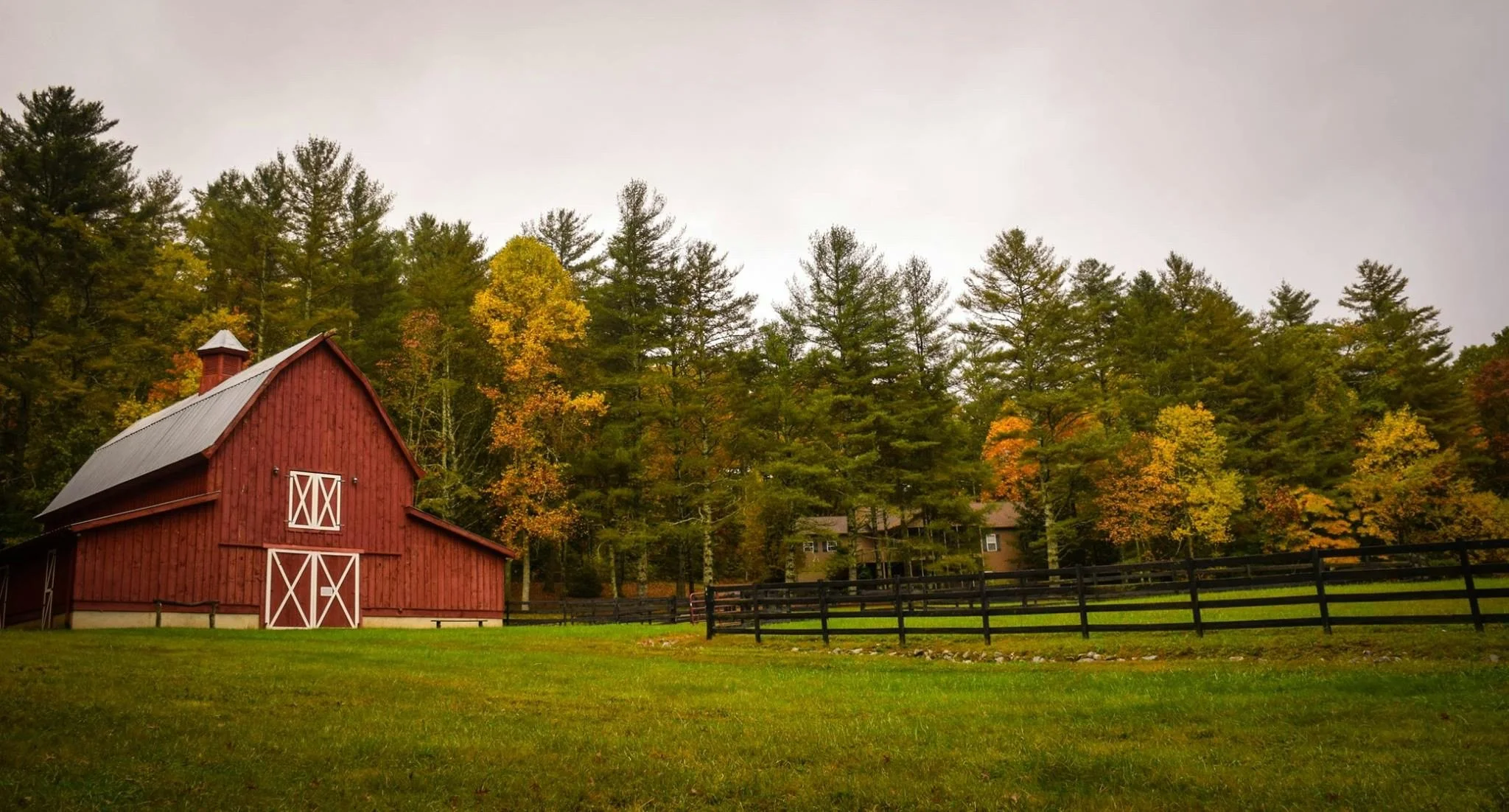
From acres of corn to a roadside cooler full of fresh eggs, there's more than one way to farm. And our local food system is better because of it.
Take a drive through Southeast Michigan, and you'll see just how different farming can look. There are fields of corn and soybeans stretching along country roads, orchards that have been in families for generations, small market gardens growing dozens of vegetables, and farms raising everything from chickens to cattle.
They're all farms, but how they operate, what they grow, and how they get food to our tables can be completely different.
We hear terms like organic, regenerative, conventional, and sustainable all the time. Sometimes they're used to describe how food is grown, sometimes how a farm cares for its land, and sometimes they're treated like competing philosophies.
But farming isn't quite that simple. A farm can use conventional methods while adopting regenerative practices. An organic farm can be hundreds of acres, and a small roadside farm stand isn't necessarily organic.
Understanding those differences helps us make more informed choices about our food and appreciate the many farmers who make our local food system possible.
Conventional Farming: The Fields That Feed More Than We See
When you pass those big fields of corn, soybeans, or wheat, you're often looking at conventional agriculture.
Conventional farming can involve modern equipment, fertilizers, pesticides, and other tools that help farmers manage crops and produce food efficiently. These operations range from small family farms to much larger businesses.
It's easy to overlook their connection to local food because you might not find them selling vegetables at a Saturday farmers market. But their crops can become flour, cooking oil, animal feed, and ingredients used by food producers.
These farms also support jobs, agricultural businesses, and processing facilities throughout Michigan.
And conventional doesn't automatically mean a farmer isn't thinking about the environment. Many use practices such as crop rotation, cover crops, and precision technology to manage resources and protect their soil.
Organic Farming: Growing Within a Different Set of Rules
Organic farming is probably one of the most familiar terms shoppers see.
For a farm to be USDA Certified Organic, it must follow specific standards governing soil management, pest control, fertilizers, and other growing practices. Organic farms generally avoid most synthetic pesticides and fertilizers, although certain approved substances are allowed.
Some local farmers use similar practices without pursuing certification. The certification process comes with requirements and costs, and not every small farm chooses to take that route.
That's why a conversation with your farmer can be so helpful. A farm without an organic label may still be using growing practices that align with what matters to you.
Organic farming gives consumers another option and creates opportunities for farmers who want to operate within those specific standards.
Regenerative and Sustainable Farming: Thinking About Tomorrow
Regenerative agriculture has been getting more attention, and for good reason. It focuses on improving the health of the land while continuing to produce food.
Farmers might plant cover crops to protect bare soil, rotate livestock between pastures, reduce tilling, or grow different crops to support soil health and biodiversity.
Sustainable farming is a broader idea. It considers how a farm can remain productive and financially viable while caring for natural resources over time.
Unlike USDA Organic, terms such as regenerative and sustainable don't have one universally enforced set of farming standards. Practices can look different from one operation to another.
And here's something worth knowing: these methods aren't exclusive to farms that identify as regenerative. Organic and conventional farmers can use many of the same conservation practices.
What matters is understanding what a farmer is actually doing and what those choices mean for their land.
Small-Scale and Diversified Farms: A Little Bit of Everything
These are often the farms we get to know personally.
Maybe they're growing tomatoes, lettuce, carrots, herbs, and cut flowers across a few acres. Maybe they have a small flock of laying hens, a seasonal roadside stand, or a booth at the local farmers market.
Diversified farms grow or raise several different products rather than focusing on one major crop.
That variety can give customers access to different foods throughout the season and help farmers spread some of the risks that come with relying on a single product.
Many sell directly to their neighbors through farm stands, farmers markets, and Community Supported Agriculture (CSA) programs. A CSA isn't a growing method, but a way customers can support a farm by purchasing a share of its harvest.
These relationships are an important part of local food. You get to know who's growing your dinner, and farmers have an opportunity to build a customer base close to home.
Livestock and Dairy Farms: Beyond Fruits and Vegetables
When we talk about eating locally, produce often gets most of the attention. But livestock farmers are just as much a part of the picture.
Across Michigan, farmers raise cattle, pigs, sheep, goats, and poultry, along with dairy herds producing milk.
Their operations vary considerably. Some raise animals primarily on pasture, others use barns or a combination of housing and grazing systems. Farm size, feeding practices, and management approaches also differ.
These farms provide meat, eggs, dairy products, and other agricultural products while supporting local processors, butcher shops, feed suppliers, and related businesses.
Some farms also integrate livestock with crop production, using manure to supply nutrients to fields or grazing animals on land within a larger crop rotation.
For consumers interested in how animals are raised, talking directly with farmers is one of the best ways to understand their individual practices.
Orchards and Specialty Farms: Growing Something Different
Not every farm is planting new vegetable rows each spring.
Orchards and other perennial-growing operations spend years establishing crops that can produce harvests over many seasons. Michigan's apples, cherries, berries, and other specialty crops are an important part of the state's agricultural diversity.
These farms bring something else to our communities, too: traditions.
Apple picking, berry season, fresh cider, and seasonal farm visits introduce people to agriculture in ways that go beyond shopping for groceries. For many families, an annual orchard trip is their most familiar connection to a working farm.
And those experiences can be a starting point for learning where food comes from.
Urban Farms and Greenhouses: Finding New Places to Grow
Not all farming happens along a country road.
Urban farms and community growing spaces bring food production into cities and neighborhoods. They can create opportunities for residents to purchase fresh produce nearby and learn about growing food firsthand.
Meanwhile, greenhouses, high tunnels, and hydroponic growing systems offer different ways to produce crops, sometimes with greater control over growing conditions.
Here in Michigan, where our outdoor growing season has its limits, those options can make a meaningful difference.
A high tunnel might help a farmer extend their lettuce harvest into colder weather, while a heated greenhouse may allow certain crops to be produced much longer or even year-round.
These approaches come with their own costs and resource needs, but they also give farmers more ways to grow and customers more opportunities to buy local food outside the traditional summer season.
So, Which Type of Farming Is Best?
That's not really a question with one answer.
Different farms serve different needs, and every growing method comes with its own advantages, limitations, and decisions about land, labor, cost, and resources.
We need farmers growing fresh vegetables for neighborhood markets. We need grain farmers producing ingredients and animal feed. We need orchards, livestock producers, dairy farms, and growers experimenting with new ways to make local food available.
We also need farming practices that protect our soil and water, businesses that can afford to keep operating, and food that's accessible to people with different budgets.
Supporting local agriculture doesn't have to mean choosing one type of farm over another.
It can be as simple as picking up eggs from a neighbor, shopping at a farmers market, buying Michigan-grown ingredients at the grocery store, or getting to know the farm stand you pass every week.
And you don't have to agree with or understand every farming practice to start asking questions.
The more we learn about the different ways our food is grown, the easier it becomes to appreciate the people behind it.
Here in Southeast Michigan, we're lucky to have a wide variety of farms and growers within reach. The next time you pass a field, spot a roadside farm stand, or visit a farmers market, take a moment to think about the work happening behind the scenes.
Because our local food system isn't built around one kind of farm. It's built by all the different people who help keep it growing.
Looking to discover more local farms and food producers? Explore the Field + Flock Farm Club directory and find your next local favorite.
#FindYourRootsHere