

Beyond the Porch: What to Do With Michigan Pumpkins After Halloween
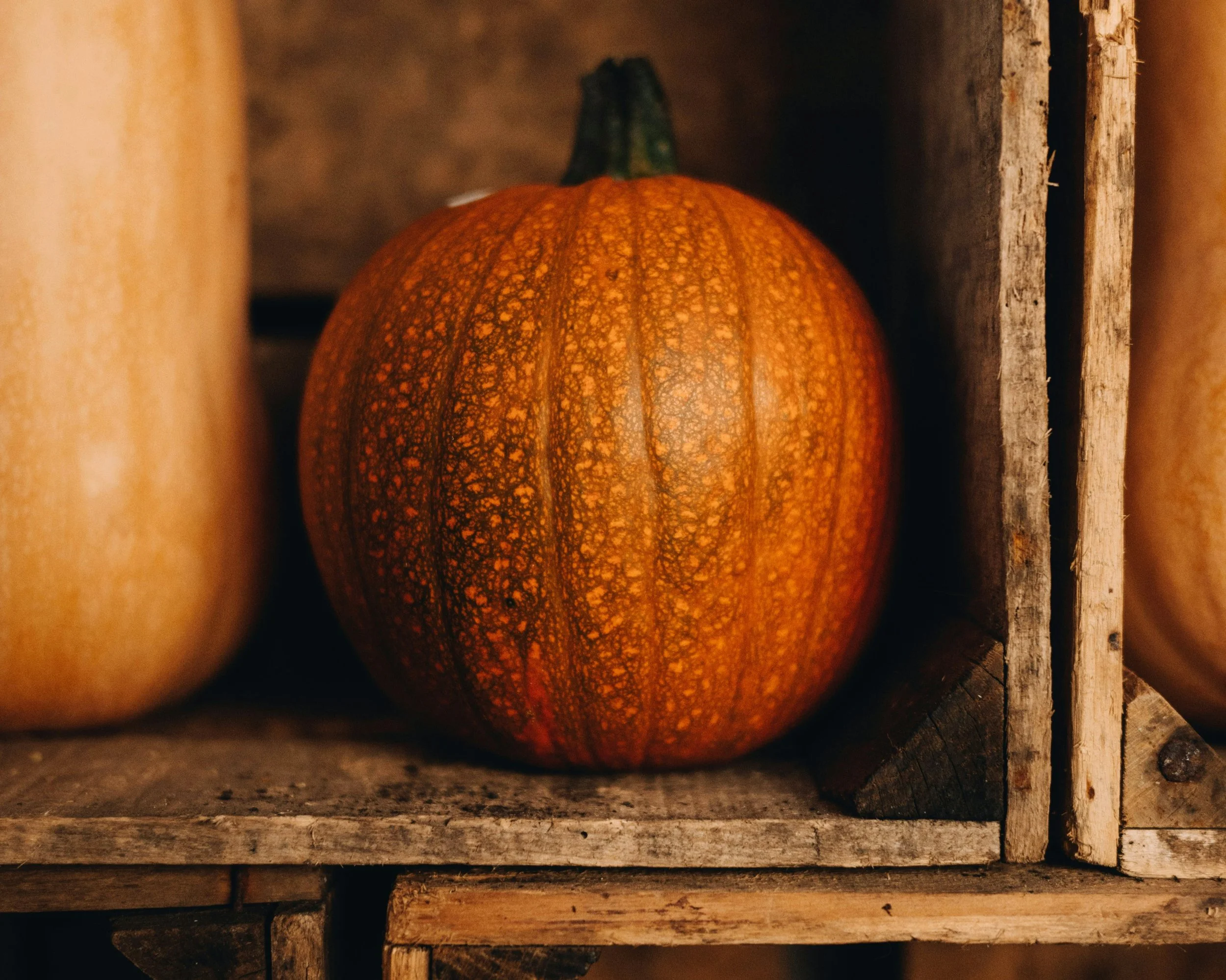
Every fall, we head to the pumpkin patch, pick out our favorites, and fill our porches with a little Michigan autumn charm. But once Halloween is over, most of those pumpkins are headed for the trash.
Here's something worth knowing: pumpkins are good for a whole lot more than decorating.
Michigan-grown pumpkins are typically available from August through November, and with the right variety, you can turn one into everything from homemade pumpkin bread to a cozy fall soup.
First, Not All Pumpkins Are Created Equal
Before you bring your porch decorations into the kitchen, there's one important distinction to make.
Carving pumpkins are the big, classic orange ones we turn into jack-o'-lanterns. While fresh, uncarved carving pumpkins are edible, their flesh tends to be watery and stringy.
Pie pumpkins, sometimes called sugar pumpkins, are smaller, sweeter, and have thicker flesh. These are the ones you want for cooking and baking.
And a quick food safety reminder: If your pumpkin has already been carved and sitting outside, don't cook with it. Once cut and exposed to the elements, it isn't safe to eat.
Three Easy Ways to Use a Fresh Pumpkin
You don't need to be an experienced cook or have a pantry full of canning supplies to make the most of pumpkin season.
1. Make Your Own Pumpkin Purée
It's easier than you might think.
Wash a fresh pie pumpkin, cut it in half, and scoop out the seeds.
Place both halves cut-side down on a baking sheet.
Roast at 350°F for approximately 45–60 minutes, or until fork-tender.
Let cool slightly, scoop out the flesh, and blend until smooth.
That's it! You have homemade pumpkin purée ready for muffins, pancakes, soups, or your favorite pumpkin bread recipe. If it's a little watery, strain off the extra liquid before baking.
2. Don't Toss the Seeds
Pumpkin seeds might be the most overlooked fall snack.
Rinse away the stringy pulp, pat the seeds dry, toss with a little olive oil and salt, and spread them on a baking sheet. Roast at 325°F for about 25 minutes, stirring occasionally and checking until they're golden and crisp.
Try cinnamon sugar for something sweet or garlic powder and smoked paprika for a savory snack.
3. Try Pumpkin Beyond Dessert
Pumpkin doesn't always need cinnamon and sugar to taste good.
Try adding roasted pumpkin to a fall vegetable soup, mixing purée into a creamy pasta sauce, or tossing roasted pumpkin cubes with olive oil, garlic, and rosemary.
It's surprisingly versatile, and a great way to try something different with an ingredient that's already in season.
Can You Save Pumpkin for Winter?
Absolutely, and freezing is one of the easiest ways.
Once your pumpkin purée is cooked and cooled promptly, portion it into freezer-safe containers, label them with the amount and date, and freeze. Leave a little room for expansion if using rigid containers.
One-cup portions are especially handy for baking. Thaw them in the refrigerator when you're ready to use them.
One important note: Homemade pumpkin purée and pumpkin butter should not be canned. There isn't an approved home-canning method for either, so freezing is the better choice. Refrigerate freshly prepared purée and use within three to four days if you're not freezing it.
What About the Pumpkins Already on Your Porch?
If they're carved, painted, or starting to soften, skip the kitchen.
Instead, consider composting them. Remove candles, stickers, paint, wax, and other decorations first. Breaking pumpkins into smaller pieces will help them decompose faster.
It's one more way to get a little use out of something that would otherwise end up in the garbage.
The Rooted & Stored Takeaway
There's something pretty satisfying about bringing home a pumpkin from a local farm and getting more out of it than a few weeks of porch decorations.
And you don't need to do it all.
Maybe this year you buy one extra pie pumpkin and try making purée. Maybe you just roast the seeds instead of throwing them away.
That's a pretty good place to start.
Looking for fresh pumpkins? Southeast Michigan farm stands, pumpkin patches, and farmers markets are great places to ask about locally grown pie pumpkins while the fall harvest is still here.
Explore more local farms and seasonal finds with Field + Flock Farm Club.
Join the Flock
Want more easy ways to enjoy what's growing close to home? Sign up for Field Notes, our weekly email with seasonal food ideas, local farm discoveries, and things worth checking out around Southeast Michigan.