

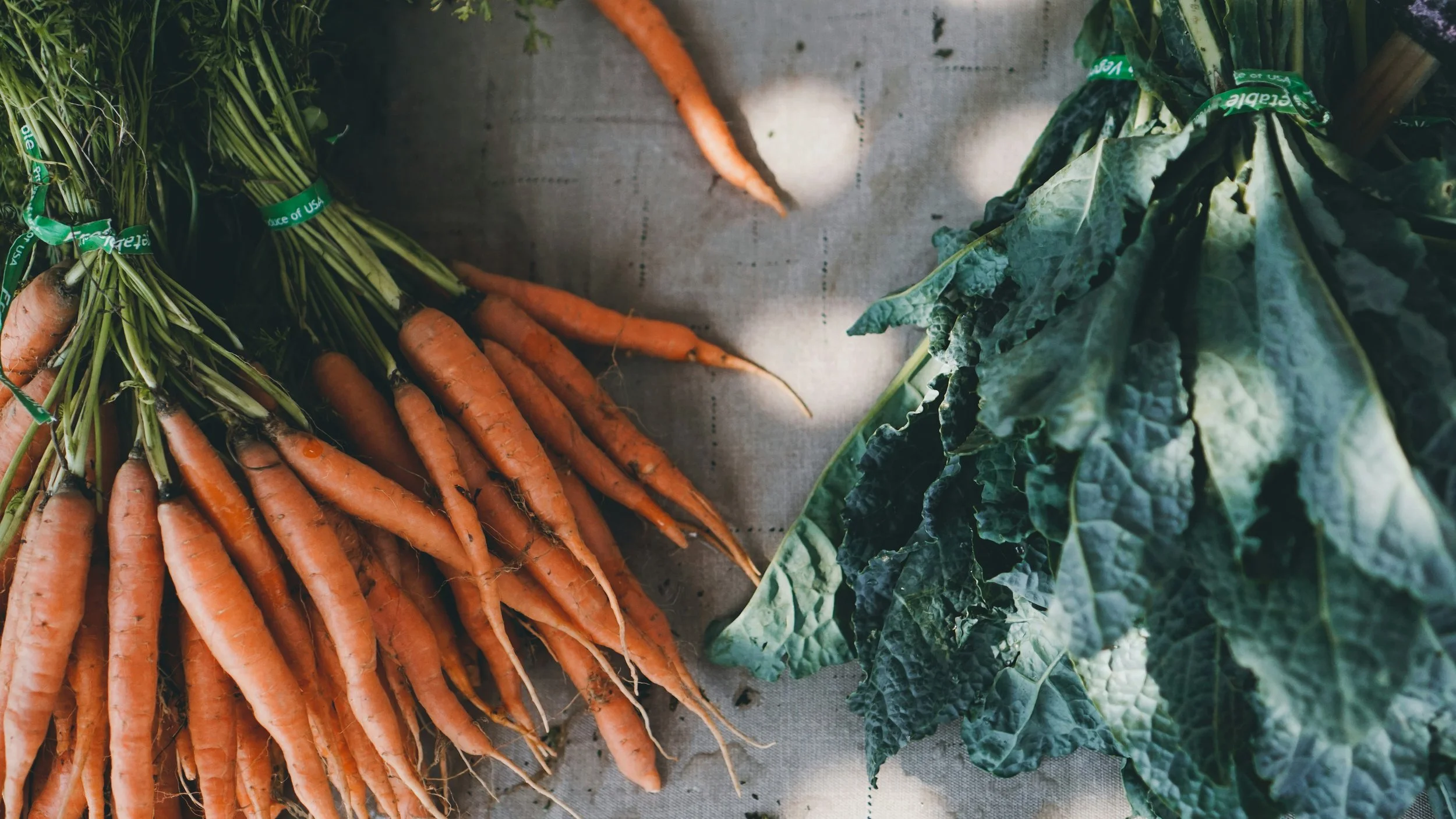
We’ve made it this far into fall, but it’s finally starting to feel like winter is rolling into Southeast Michigan. There’s a little more bite in the air, the warmer coat is coming out of the closet, and that hot coffee is doing double duty as a hand warmer.
The tomatoes have had their moment. Now the table is full of roots, sturdy greens, and vegetables that look right at home next to a Sunday roast.
And some of them have a little secret: the cold weather can actually make them sweeter.
So before you decide the good part of local food season is behind us, let’s spend a minute with what’s still growing. There’s plenty here worth bringing home.
A little cold-weather science
Certain vegetables respond to colder temperatures by converting some of their stored starches into sugars. Those sugars help the plants tolerate the cold. For us, that can mean a sweeter bite at dinner.
The plant is busy getting through a chilly Michigan night. We get a better-tasting carrot out of the deal.
Of course, this doesn’t apply to everything in the garden. Tomatoes and peppers are much less tolerant of frost, and even hardy vegetables have their limits. The crop, variety, and weather conditions all play a part.
It also doesn’t happen like flipping a switch after one frosty morning. Cold temperatures over time help develop that flavor, which is one reason a grower might leave certain crops in the ground a little longer.
The carrots are worth another look
Carrots are so familiar that it’s easy to stop paying attention to them. We buy a bag, use a few, and leave the rest in the crisper with very good intentions.
But a late-fall carrot deserves a little more enthusiasm.
Cold soil can increase the sugar content in carrots and parsnips. Michigan State University Extension notes that parsnip roots develop a sweeter flavor when exposed to temperatures below 40°F. That means the change can begin before there’s frost on your windshield.
Bring home a bunch of carrots and taste a piece while you’re chopping. Then roast the rest until the edges brown, or tuck them around a chicken with onions and potatoes.
And if you haven’t tried parsnips yet, this is a lovely time to make their acquaintance. They look like cream-colored carrots, with a sweet, earthy, slightly nutty flavor that works beautifully in a pan of roasted vegetables.
Start with a few mixed into something you already make. Nobody needs a whole new dinner routine just to try a vegetable.
Even the greens have something going for them
If you’ve tried sturdy greens before and decided they weren’t for you, a late-season bunch might deserve another chance.
MSU Extension notes that kale, collards, and Swiss chard can develop a sweeter flavor as cold temperatures convert starches into sugars.
They’re still greens. We’re not promising candy. But that shift in flavor can make them a little more welcoming, especially with the right preparation.
Try slicing them thinly and sautéing them with olive oil and garlic, then adding a squeeze of lemon. Or stir a handful into a pot of white bean soup and let dinner carry on as usual.
One good meal is a perfectly reasonable place to start.
This is a good question for your farmer
Next time you’re at a market or farm stand, ask, “What’s tasting especially good after the cold weather?”
It’s a small question that can lead to a very useful answer. Maybe there’s a carrot variety the grower loves, a patch of parsnips they’ve been waiting to harvest, or a bunch of greens you wouldn’t have picked up on your own.
You get an idea for dinner and learn a little about the person who grew it. That’s a pretty good return on a conversation.
Here in Southeast Michigan, check your market’s current schedule or ask your favorite farm about late-season shopping and pickup. The offerings change as the weather does, and your grower can tell you what’s ready.
Bring it home and turn on the oven
You don’t need much to make cold-weather vegetables into something you’ll want seconds of.
Start with about two pounds of carrots and parsnips. Scrub or peel them, trim the ends, and cut them into roughly equal pieces. Toss with two tablespoons of olive oil, salt, pepper, and a little thyme or rosemary.
Spread them on a large sheet pan with some breathing room, then roast at 425°F for about 25–35 minutes, turning once. Thicker pieces may take longer. You’re looking for tender centers and nicely browned edges.
Finish with a squeeze of lemon and serve alongside chicken, sausages, or warm lentils. Taste before adding honey or maple syrup; you may find the vegetables brought enough sweetness of their own.
It’s the kind of side dish that works on an ordinary Tuesday and still earns a place on the Thanksgiving table.
We’ll probably keep grumbling about scraping the car. Fair enough.
But the next time a cold morning makes you think the growing season must be over, remember those roots still tucked into the soil and the growers who know just when to pull them.
There’s something good waiting for dinner.