
What’s in Season in Michigan in October?
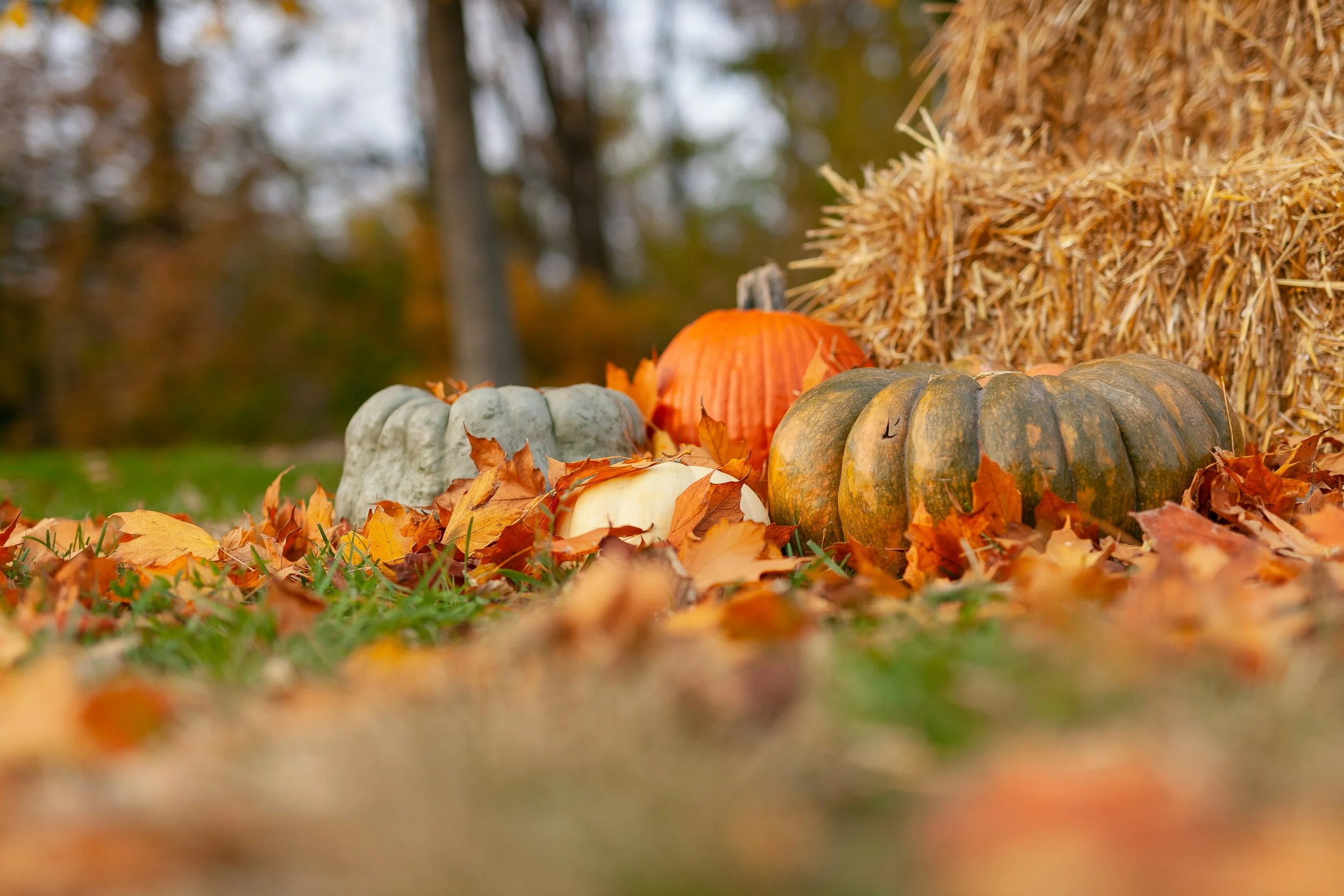
October in Southeast Michigan is one of those months where the farm stand can look completely different from one week to the next.
Summer hasn’t disappeared entirely, but fall has definitely taken over. The tomatoes are slowing down, the pumpkins have arrived, apple bins are overflowing, and cool-weather vegetables suddenly get their moment.
If you’re trying to eat a little more seasonally, stock the freezer, or simply figure out what to grab when you stop at a farm stand, here’s what you’re likely to find around Southeast Michigan this month.
Apples Are Still Having Their Moment
October is prime apple season in Michigan.
Depending on the orchard and the weather, you’ll find everything from sweet snacking apples to firmer varieties made for baking and storage.
Great ways to use them:
Slice and freeze for winter crisps and pies
Make applesauce or apple butter
Add chopped apples to oatmeal or baked goods
Pair with local pork
Store good keeping varieties for later in the season
And yes, buying a half-bushel of apples because they looked beautiful at the orchard absolutely counts as a fall activity.
Just make sure you have a plan for them when you get home.
Winter Squash
This is the month when squash starts taking over tables everywhere.
You’ll see familiar varieties like butternut and acorn alongside delicata, kabocha, carnival, sweet dumpling, buttercup, red kuri, and big storage squash like Hubbard.
Winter squash is one of the best things to buy locally in fall because many varieties will keep for weeks — or even months — when stored properly.
Easy ways to use it:
Roast cubes for sheet-pan dinners
Stuff smaller squash for individual meals
Blend into soup
Mash like potatoes
Add to curry
Freeze cooked puree for later
If you’ve been walking past the unfamiliar ones, October is a good month to experiment.
Potatoes
Freshly harvested Michigan potatoes are everywhere this time of year, and they’re one of the easiest local foods to work into your regular grocery routine.
Use them for:
Roasted potatoes
Mashed potatoes
Soups and stews
Breakfast hash
Potato pancakes
Homemade fries
Stored somewhere cool, dark, and dry, they can also last well beyond your farmers market visit.
Carrots, Beets & Other Roots
Once temperatures drop, root vegetables really begin to shine.
Look for:
Carrots
Beets
Turnips
Rutabaga
Parsnips
Radishes
These are some of the best vegetables for roasting because the oven brings out their natural sweetness.
If you're unsure where to start, toss carrots, parsnips, potatoes, and onions together with olive oil, salt, pepper, and herbs.
There. You know how to cook root vegetables.
Broccoli, Cauliflower & Cabbage
Cool weather is good news for brassicas.
October farm stands often have beautiful heads of broccoli, cauliflower, cabbage, and sometimes Brussels sprouts.
These vegetables also tend to be more versatile than people give them credit for.
Try:
Roasted broccoli with Parmesan
Cauliflower soup
Cabbage in stir-fry
Homemade coleslaw
Roasted Brussels sprouts with maple
Cabbage added to soups and stews
Cabbage is especially worth grabbing because it stores well and gives you a lot of food for your dollar.
Kale, Spinach & Fall Greens
Greens don’t disappear just because summer does.
Cooler weather brings another round of leafy vegetables, including kale, spinach, lettuce, collards, and other salad greens depending on the farm.
Use them in soups, eggs, pasta, salads, or sauté them with garlic.
This is also the time of year when kale becomes considerably easier to appreciate once you stop expecting it to behave like lettuce.
Leeks & Onions
October is a great month for all the vegetables that make everything else taste better.
Fresh onions and leeks work beautifully in:
Soup
Pot roast
Pasta
Quiche
Potato dishes
Roasted vegetables
Leeks especially deserve more attention. Think of them as a softer, sweeter onion that makes almost anything feel slightly fancier.
Pumpkins
Some pumpkins are for porches.
Some are dinner.
And sometimes they’re both.
If you want to cook with pumpkin, ask the farmer which varieties they recommend for eating. Pie pumpkins and other culinary varieties tend to have sweeter, denser flesh than large carving pumpkins.
Roast them and use the puree in:
Soup
Muffins
Pancakes
Bread
Pasta sauce
Pie
Don’t Forget the Local Food Beyond Produce
October is also a great month to look beyond the vegetable table.
Depending on the farm or market, you may find:
Eggs
Beef
Pork
Chicken
Honey
Maple syrup
Fresh bread
Jams and preserves
Cider
Baked goods
Supporting local doesn’t have to mean bringing home a refrigerator full of vegetables.
Sometimes it’s a dozen eggs, a gallon of cider, and one squash you promise yourself you’ll figure out later.
What to Buy Now for Winter
If your goal is to stretch Michigan food further into the colder months, prioritize foods that naturally store well:
Potatoes
Onions
Winter squash
Cabbage
Carrots
Beets
Apples
Add some local meat to the freezer and preserves to the pantry, and suddenly local food season doesn’t feel quite so short.
Final Takeaway
October is one of the best months to shop local in Southeast Michigan because summer and fall overlap just enough to give you incredible variety.
You don’t have to preserve everything.
You don’t have to fill a root cellar.
And you definitely don’t have to know what every weird squash is before you buy it.
Choose a few things you know you’ll use, try one thing you haven’t cooked before, and enjoy the part of Michigan’s growing season that was made for soup pots, roasting pans, and filling the pantry.
Looking for somewhere to shop? Explore the Field + Flock directory to find farms, farm stands, orchards, markets, and local food producers throughout Southeast Michigan.