

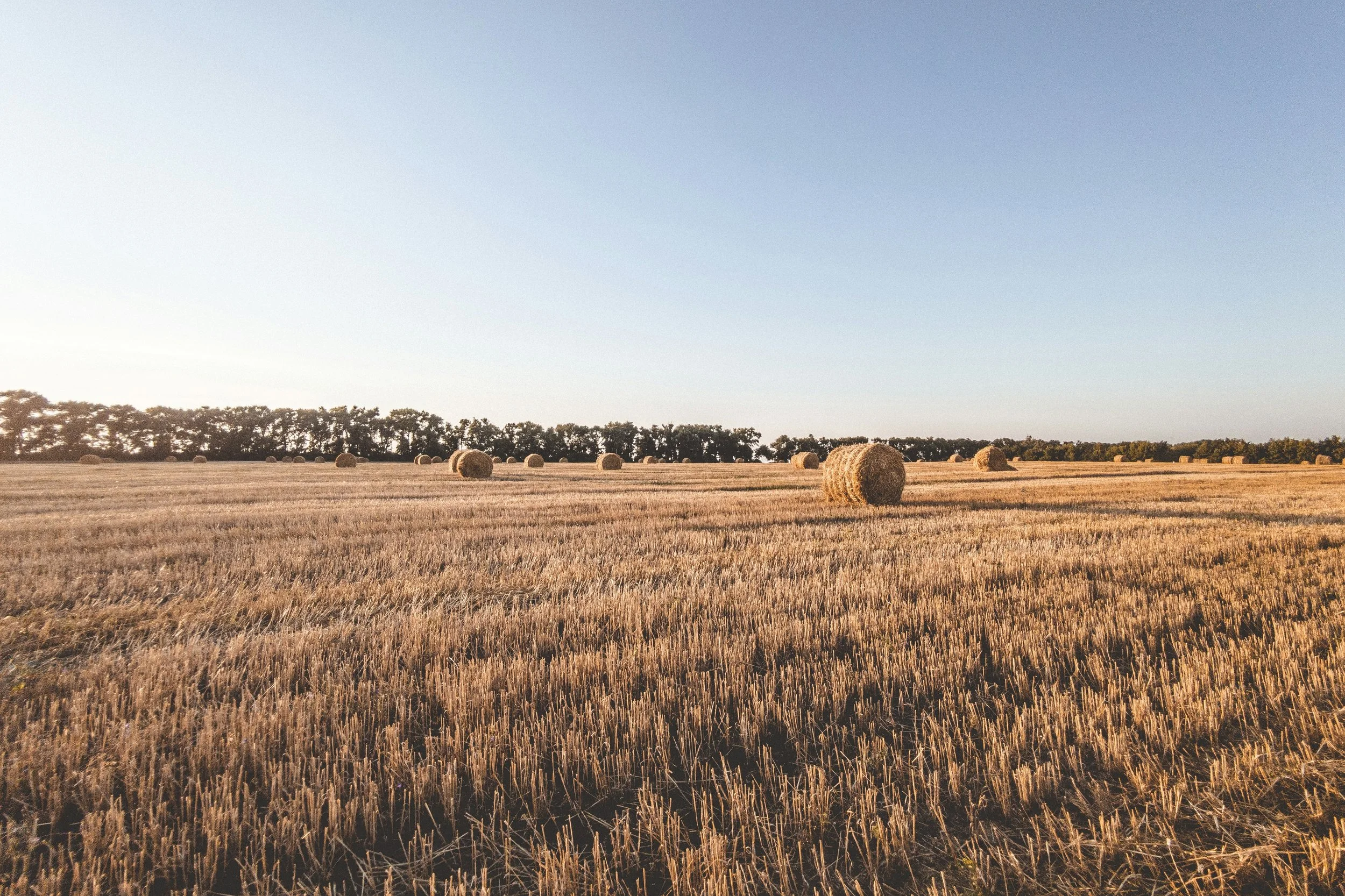
Drive past a Michigan farm in November, and things can look pretty quiet.
The fields are mostly empty. The farm stand may be closed. The tractors aren't moving like they were a few weeks ago.
It would be easy to assume everyone is finally taking a much-deserved break.
And while farmers certainly deserve one, there's still a whole lot happening behind the scenes.
Farming doesn't stop when the harvest ends. It just looks a little different.
First, There's the Matter of Getting Ready for Winter
Before Michigan delivers its usual combination of freezing temperatures, ice, snow, and unpredictable weather, farmers have plenty to prepare.
Equipment needs to be cleaned, inspected, repaired, and stored. Irrigation systems may need to be drained. Buildings, fencing, and other infrastructure need attention.
Then there's the soil.
Some growers plant cover crops to help protect fields from erosion and support soil health. Others spread compost, clean up growing areas, or prepare beds for early spring planting.
A field that looks empty from the road might be resting intentionally.
And what happens to that field in November can make a difference in how it performs next year.
The Animals Still Need Breakfast
For livestock farmers, the calendar doesn't offer much of an off-season.
Cattle, pigs, sheep, goats, and chickens still need food, water, shelter, and daily care. Winter just adds a few more challenges.
Water needs to be kept from freezing. Bedding has to stay clean and dry. Farmers need reliable access to feed, especially when pastures aren't growing the way they do in warmer months.
Cold weather can also mean adjusting animal housing, keeping a closer eye on conditions, and making sure everything is ready before a storm rolls in.
It's not always glamorous work.
But it's essential.
And it's one reason local meat, eggs, and other animal products can remain part of our food supply even when vegetable fields are resting.
Some Farmers Are Still Growing Food
Here's something that surprises people: Not every Michigan farm stops harvesting when the first frost hits.
Hoop houses, high tunnels, greenhouses, and indoor growing systems help some producers extend their growing seasons.
Depending on the setup, farmers may grow spinach, lettuce, herbs, microgreens, and other cold-tolerant crops well beyond the traditional summer harvest.
A hoop house isn't the same thing as a fully heated greenhouse. It's often a relatively simple structure that helps protect plants from weather and capture warmth from the sun.
Growth slows considerably as days get shorter, but these systems can help farmers stretch their harvests.
That's part of why you might still find beautiful fresh greens at a winter market in December.
Winter Is Also Planning Season
Believe it or not, next summer's farm stand starts taking shape long before spring.
Farmers use the quieter months to review what grew well, what customers purchased, and what they want to do differently.
They're researching seed varieties, ordering supplies, preparing planting schedules, and deciding whether to expand or change their offerings.
For farms offering Community Supported Agriculture (CSA) shares, winter may also mean preparing for next year's memberships.
And for smaller farms, there's the business side of things: budgeting, marketing, updating websites, applying for grants, and finding new customers.
The work doesn't stop simply because there aren't tomatoes to pick.
Local Farms Worth Following Through Winter
If you'd like to see what farm life looks like after harvest, a few directory members are especially relevant.
Sawmill Creek Farms — Richmond, Macomb County
A family livestock farm raising beef, pork, and poultry. Its farm store is a reminder that local agriculture and local food shopping continue beyond the summer produce season.
Luckycrest Livestock — Macomb County
A local livestock producer offering farm products throughout the year. A good example of how farms can serve customers beyond the traditional harvest season.
Green Things Farm Collective — Ann Arbor, Washtenaw County
An organic produce farm where the work also involves long-term land stewardship, seasonal planning, and building a sustainable farm business. Its website offers a look at how supporting farms connects to preparing for the next growing season.
Red Bird Farms — Lapeer County
A diversified farm listed in the Field + Flock directory with vegetables, herbs, eggs, and beef. Its offerings also include hydroponically grown herbs, lettuce, and microgreens, showing another way farms can grow beyond the usual outdoor season.
Each farm operates differently, so follow along or contact them to learn what they're working on this winter.
How Can We Support Farmers During the Off-Season?
You don't have to wait until the first farmers market of spring to reconnect with local growers.
You can continue ordering available meat, eggs, and other products, shop at winter markets, or sign up for a farm's newsletter.
If a farmer offers CSA memberships for next season, reserving one early can help with planning and cash flow.
And sometimes the simplest support is telling a friend about a farm you love.
Small farms spend a lot of time trying to reach new customers. Word of mouth can make a real difference.
A Little More Than Empty Fields
The next time you drive past a farm that looks quiet, remember there's probably more happening than you can see.
Somebody is feeding animals, maintaining equipment, protecting growing spaces, sorting inventory, or thinking about what to plant next spring.
The harvest might be finished.
The work isn't.
And when we keep shopping local through the colder months, we're helping those farms continue doing what they do best.
Stay connected to your local growers: Explore the Field + Flock Farm Club Directory for Southeast Michigan farms and food producers you can support throughout the year.
#FindYourRootsHere