
Preserving the Bounty | Herbs
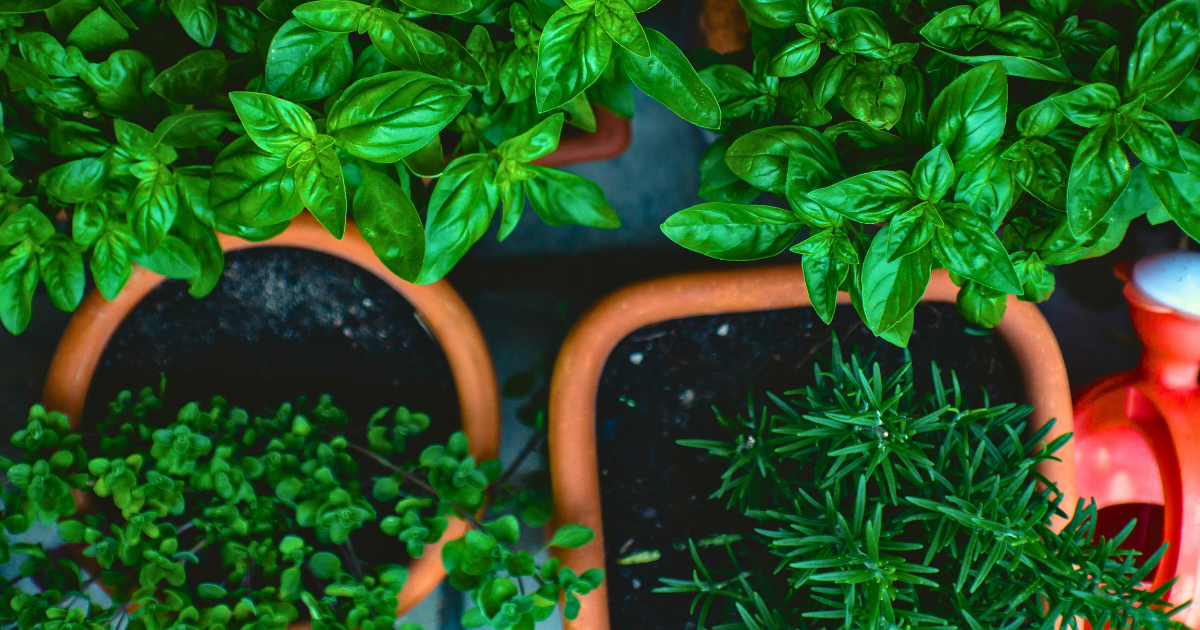
Keeping herbs on hand through a Michigan winter is one of the simplest ways to keep your cooking bright, flavorful, and rooted in the local growing season. Whether you’re harvesting from your backyard beds, a community garden, or your favorite Southeast Michigan farm stand, preserving herbs ensures that the flavors of summer stay with you long after the frost settles in.
Herbs are small but mighty: they take minutes to prep, require almost no equipment, and instantly elevate soups, roasts, pastas, and pantry staples. In Rooted + Stored, they’re a cornerstone of building a practical, modern, seasonal pantry — one that keeps you connected to the land even when the fields are sleeping.
Why Preserve Herbs?
Herbs lose their punch quickly once picked. Preserving them locks in flavor, reduces waste, and gives you a reliable stash of aromatics for winter cooking. It’s also one of the easiest entry points into food preservation — perfect for beginners and seasoned homesteaders alike.
Preserving herbs also supports the Field + Flock ethos:
Local first — using what’s grown right here in Southeast Michigan
Seasonal living — extending the harvest naturally
Modern homesteading — approachable, practical, and confidence‑building
Three Foolproof Ways to Preserve Herbs
1. Drying: Concentrated, Cozy Flavor
Drying works best for sturdy herbs like rosemary, sage, thyme, oregano, and mint. It’s simple: bundle stems with twine and hang them upside down, or lay leaves on a screen in a warm, dry spot. Once crisp, store them in airtight jars away from sunlight.
Drying intensifies flavor, making these herbs perfect for winter stews, roasts, and slow‑cooked dishes.
2. Freezing: Bright, Fresh Flavor
Freezing preserves the vibrant, just‑picked taste — ideal for basil, parsley, cilantro, dill, and chives.
Two easy methods:
Whole‑leaf freeze: Spread leaves on a tray, freeze, then store in bags.
Herb‑oil cubes: Chop herbs, pack into ice trays, cover with olive oil, freeze.
Herb‑oil cubes melt beautifully into soups, sauces, skillet meals, and even roasted vegetables.
3. Infusions: Pantry Staples with Personality
Infusions turn herbs into long‑lasting flavor boosters. Try:
Herb salts — dried herbs blended with coarse salt
Herb oils — fresh herbs steeped in olive oil (refrigerated)
Herb vinegars — herbs added to vinegar for dressings and marinades
Infusions make great gifts, quick meal upgrades, and beautiful additions to your winter pantry.
Which Method Fits Which Herb?
Here’s your quick‑grab guide:
Basil — Freeze to keep color + fresh flavor
Rosemary — Dry for bold aroma
Parsley — Freeze for brightness
Sage — Dry for cozy winter dishes
Dill — Freeze for soups + fish
Mint — Dry or freeze for drinks + baking
Field + Flock Pantry Tip
Preserved herbs are the backbone of a Michigan winter pantry. Pair dried rosemary with root vegetables, herb‑oil cubes with tomato sauces, and herb salts with roasted chicken or seasonal squash. It’s the simplest way to keep your cooking rooted in local farms — even when the snow starts to fall.
Bring It Home
Preserving herbs is quick, approachable, and deeply satisfying. It’s one of those small homesteading habits that pays off all season long. Whether you’re drying bunches from your backyard or freezing basil from a local farm stand, you’re building a pantry that reflects Southeast Michigan’s harvest — and your own creativity in the kitchen.